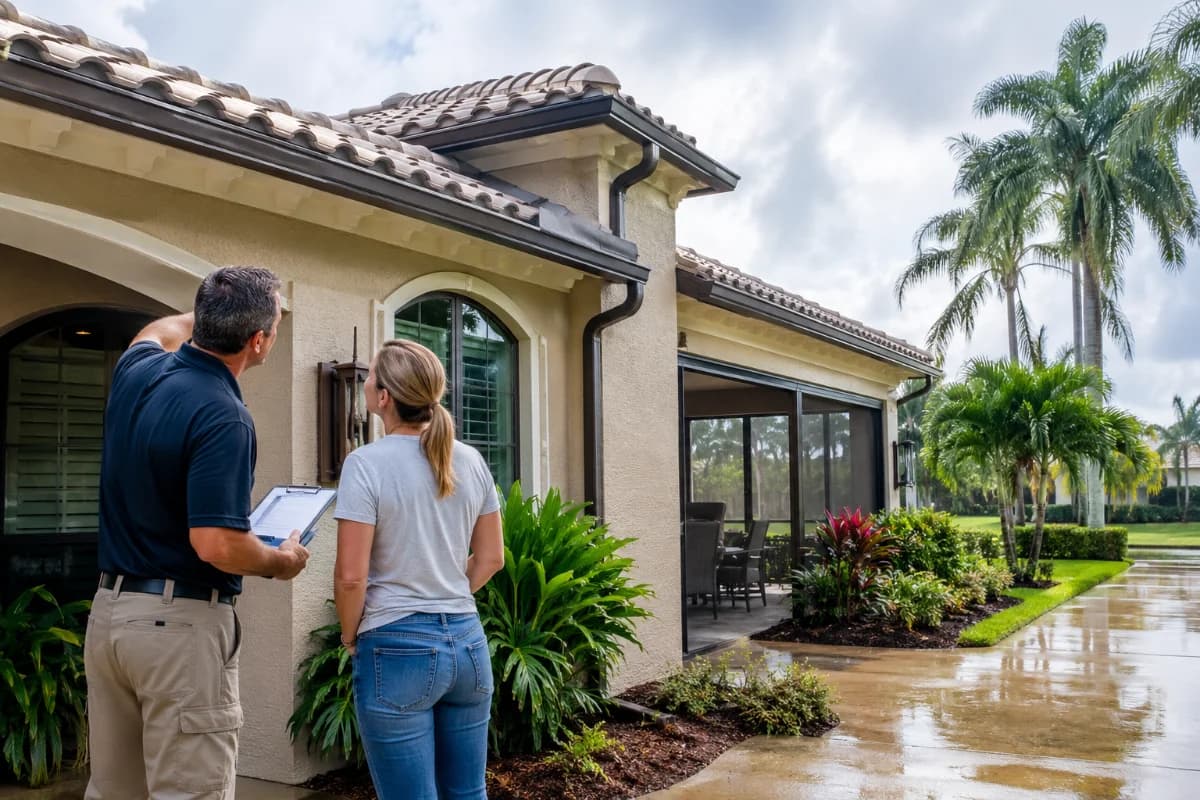
The Complete Guide to Exterior Home Maintenance in Florida
Complete guide to exterior home maintenance in Florida: roof, paint, sealants, drainage, cleaning, and hurricane-season inspections.
What does exterior home maintenance Florida actually include?
Exterior home maintenance in Florida includes every outside surface and system that faces daily exposure to sun, rain, humidity, salt air, pests, and storms. In practice, that means protecting the roof, walls, paint, sealants, drainage, openings, and outdoor structures on a schedule that matches Florida’s climate rather than a generic national checklist.
The short answer: the core systems Florida homeowners must maintain year-round
A complete Florida home maintenance guide starts with the parts of the house that keep water out and structural materials dry. That includes the roof, flashing, vents, gutters, downspouts, soffits, fascia, siding or stucco, exterior paint, windows, doors, trim, driveway surfaces, grading, drainage paths, landscaping near the structure, fencing, decks, lanais, and routine exterior cleaning Florida homes often need because of mildew and algae buildup.
Florida conditions change the maintenance schedule in a major way. High humidity slows drying and encourages mold. Strong UV exposure breaks down paint and caulk faster. Heavy rain constantly tests drainage. Coastal salt air accelerates corrosion. Termites and other pests take advantage of moisture problems. Hurricane season raises the stakes because small weaknesses can become expensive failures under wind-driven rain.
It also helps to separate three different kinds of work:
- Routine upkeep: washing surfaces, clearing debris, trimming plants back from walls, checking sealants
- Preventive repairs: replacing cracked caulk, patching minor stucco cracks, correcting drainage issues, fixing loose trim
- Exterior home improvement: repainting for appearance and protection, replacing old doors or windows, upgrading hardscapes or outdoor living areas
Quick summary: Exterior home maintenance in Florida means inspecting and protecting all outside systems that face moisture, heat, UV rays, salt air, and storms. The top priorities are water management, roof condition, sealants, surface protection, drainage, and early repair of visible damage before it spreads.
Why Florida homes need a different maintenance plan than homes in other states
Not every Florida property ages the same way. Coastal homes deal with salt exposure and faster metal corrosion. Inland homes may see less salt but still face intense sun, humidity, summer downpours, and storm risk. Older homes often have more vulnerable sealants, outdated flashing details, or aging paint systems. Newer construction may perform better at first but still needs inspection because even newer assemblies can fail if drainage or caulking is neglected.
Responsibility can also vary depending on whether a home is in an HOA community. Some associations handle certain visible standards or shared elements, but most owners are still responsible for critical home exterior maintenance items such as roof condition on single-family homes, drainage performance, mildew control, and damage prevention around windows and doors.
Deferred maintenance is especially costly in Florida because moisture problems rarely stay small. A failed sealant joint can lead to hidden water intrusion. A clogged gutter can saturate fascia or stain stucco. Peeling paint may signal deeper substrate issues rather than simple fading. Insurance concerns matter too: visible neglect can complicate claims after storms.
To understand more about protecting one of the most exposed parts of the house, also see the roof maintenance in Florida article.
To understand more about storm-readiness steps that reduce preventable exterior damage, also see the hurricane home preparation checklist article.
What beginners should prioritize first if they feel behind
If you already feel behind on the property upkeep Florida homes require, start with safety and water management instead of cosmetic upgrades. The best first steps are checking the roof for obvious damage, making sure gutters and downspouts move water away from the house, inspecting caulk around windows and doors, looking for cracks or soft spots in exterior materials, and removing mildew or debris that hides developing problems.
A practical beginner priority list looks like this:
- Roof condition
- Drainage and runoff control
- Sealants around openings
- Visible cracks or soft trim
- Exterior cleaning to expose hidden issues
- Paint and surface protection
- Appearance upgrades after essentials are stable
This order matters because a clean-looking house can still have active water entry points. In Florida climate home maintenance, function comes before finish.
To understand more about what to look for after severe weather, also see the how to inspect your roof after a storm article.
To understand more about outside warning signs that suggest moisture is already getting in, also see the signs of water damage outside the home article.
To understand more about setting a realistic washing schedule without damaging surfaces, also see the how often to pressure wash a house in Florida article.
If you want a manageable starting point, build a seasonal inspection plan before you hire anyone. That gives you a clearer picture of what needs immediate attention, what can be monitored, and what belongs on a longer-term maintenance calendar.
👉 Protect your home before small issues turn into major repairs. Schedule your exterior maintenance consultation with LACS today.

Table of Contents
- What does exterior home maintenance Florida actually include?
- How should homeowners plan seasonal home maintenance in Florida?
- Which exterior systems need the most attention in Florida homes?
- DIY vs professional property maintenance Florida: what is the difference?
- What mistakes cause the most exterior damage in Florida?
- Conclusion
- Frequently Asked Questions
How should homeowners plan seasonal home maintenance in Florida?
Florida homeowners should plan by season rather than by convenience. The most effective approach is to inspect before storm season, protect vulnerable areas during summer risk periods, and use drier months for repairs and bigger projects. That pattern supports better long-term durability and makes preventive home maintenance easier to sustain.
Spring and early summer: prepare for rain, heat, and storm season
Spring is one of the most important windows for seasonal home maintenance Florida owners should follow because it comes just before heavy summer rain and hurricane activity intensify. This is when you want to inspect roofing materials, flashing details, soffits, fascia boards, gutters, downspouts, splash zones near foundations, exterior caulking joints, hose bib areas, and any place where water commonly collects.
Pay close attention to irrigation overspray as well. Sprinklers that constantly hit stucco walls or wood trim create unnecessary moisture stress and staining. Foundation grading matters too; even small low spots can hold water against the structure during repeated storms. Early mildew growth on shaded walls or under eaves often signals poor drying conditions that deserve closer review.
A useful spring checklist includes:
- Inspect shingles or tile visually from the ground
- Check flashing at penetrations and roof edges
- Clear gutters and verify downspout discharge
- Examine soffits and fascia for stains or softness
- Review caulk around windows and doors
- Look for hairline cracks in stucco
- Adjust irrigation spray patterns
- Wash mildew-prone surfaces before buildup worsens
To understand more about keeping runoff moving away from the structure, also see the gutter cleaning and drainage maintenance article.
To understand more about the joints around a house that most often fail first, also see the best exterior caulking points around a home article.
Peak summer and hurricane season: protect vulnerable exterior areas
Once summer fully arrives, priorities shift from routine prep to active protection. This is when homeowners should focus on shutters or impact-rated openings, loose fence sections, gates that do not latch properly, overgrown trees near roofs or service lines, unsecured outdoor equipment, patio furniture storage plans, and anything else that could fail under wind load or become airborne debris.
Documentation is another overlooked part of home protection Florida residents should take seriously. Before major storms threaten your area, photograph each side of the house along with roof edges visible from the ground, windows, doors, fencing, screens, garage doors, pavers, lanais, sheds if applicable, and any pre-existing wear. Organized photos make post-storm comparisons much easier if you need to file an insurance claim.
During peak season:
- Confirm shutters are usable and accessible
- Tighten loose hardware on gates and fences
- Trim branches away from roofing and siding
- Store or anchor movable outdoor items
- Photograph current exterior condition
- Recheck drainage after major rain events
To understand more about choosing opening protection that fits your property, also see the storm shutter options for Florida homes article.
To understand more about reducing branch-related storm risks before winds arrive, also see the tree trimming before hurricane season article.
To understand more about organizing records that support faster claims handling, also see the home inventory tips for storm claims article.
Fall and winter: reset, repair, and schedule bigger projects
In many parts of Florida, fall and winter offer better conditions for larger exterior repair work because rainfall often eases and surfaces stay drier for longer periods. That makes this a smart time for painting projects, stucco crack repair basics you have been postponing through the wetter months earlier in the year, driveway sealing if appropriate for your surface type, trim replacement, fence restoration, and broader exterior repair Florida work that benefits from steadier scheduling.
This is also when strong annual planning pays off. Break tasks into simple intervals:
- Monthly: visual walkaround, debris removal, spot mildew checks
- Quarterly: sealant review, drainage testing, hardscape inspection
- Yearly: roof review, full washing plan, paint assessment, larger repairs
A written calendar keeps small jobs from becoming expensive surprises later. It also helps you group related services so contractors can address multiple issues during one visit instead of returning several times across the year.
To understand more about timing paint work around weather conditions, also see the best time to paint a house in Florida article.
To understand more about evaluating cracks before they become bigger moisture paths, also see the stucco crack repair basics article.
To understand more about building a repeatable schedule for year-round upkeep, also see the annual home maintenance calendar article.
Booking inspections and repair estimates before contractor demand spikes can save time, reduce scheduling stress, and help you make better decisions while issues are still manageable.
Which exterior systems need the most attention in Florida homes?
The systems that deserve the closest attention are the ones most likely to let water in or lose protective performance under sun and humidity. For most homes, that means roof components, drainage paths, painted surfaces, stucco, sealants, windows, doors, and outdoor areas where standing moisture or surface deterioration develops gradually.
Roof, gutters, and drainage: the first line of defense
Roof maintenance Florida homeowners stay ahead on usually begins with visual checks of shingles or tile, flashing at transitions, valleys where water concentrates, vents, pipe boots, skylight edges if present, and other penetrations where leaks commonly start. You do not need to climb onto a roof to notice many warning signs. Look for displaced materials, dark staining, granule accumulation below downspouts, rusting metal details, or interior ceiling stains that suggest outside failure.
Gutters matter because even a sound roof can feed too much water into one area if runoff is blocked or misdirected. Downspouts should discharge far enough away from foundations so water does not pool against walls. Splash blocks or extensions may be needed where erosion forms. Standing water near slabs, entryways, garage aprons, or lanai edges often points to grading problems rather than simple dirt buildup.
Watch for these common trouble spots:
- Valleys packed with debris
- Flashing gaps around chimneys or vents
- Overflow marks on gutters
- Downspouts dumping next to foundations
- Soggy mulch beds against walls
- Repeated puddling after normal rain
To understand more about the main items homeowners should review during routine roof checks, also see the roof inspection checklist for homeowners article.
To understand more about the places leaks most often begin around roofing systems, also see the common roof leak entry points article.
👉 Stay ahead of Florida's weather with a smarter maintenance plan. Contact LACS and keep your home protected year-round.
Walls, paint, stucco, and sealants: stopping moisture before it enters
Exterior wall systems take constant punishment in Florida. Sun fades finishes. Humidity feeds mildew. Rain exploits weak joints. Salt air accelerates wear near coastal areas. On painted exteriors, look for fading, chalking residue on your hand when touched, blistering, peeling edges, or exposed substrate. These are not just appearance problems; they often mean your protective coating is weakening.
Stucco deserves special attention because hairline cracks can seem harmless until repeated wetting drives moisture behind them. Failed sealant joints around penetrations or trim intersections create similar risks. Mildew staining under windowsills or at shaded elevations may indicate both surface contamination and poor drying conditions. Sometimes cleaning is enough. In other cases, patching damaged areas followed by repainting with compatible products is necessary to restore protection.
A simple rule helps here:
- Clean when staining is superficial but coatings remain intact
- Patch when cracks or localized failures are limited
- Repaint when broad fading, chalking, or peeling shows system-wide wear
To understand more about recognizing when coating breakdown has moved beyond normal aging, also see the exterior paint failure signs article.
To understand more about caring for stucco where humidity stays high much of the year, also see the stucco maintenance for humid climates article.
To understand more about checking vulnerable joints around openings before leaks develop, also see the window and door seal inspection article.
Windows, doors, hardscapes, and outdoor living areas
Openings and outdoor surfaces often receive less attention than roofs or paint, but they play a major role in overall residential property maintenance. Window screens tear. Frames collect mildew. Thresholds loosen. Garage door weather seals flatten out. Driveways crack. Pavers settle unevenly. Lanai framing corrodes or loosens at connections. Fence posts shift after repeated saturation. These smaller failures affect both function and curb appeal maintenance over time.
Pressure washing can help restore appearance, but it has limits. On some surfaces, especially stucco, older siding, painted trim, or delicate paver joints, too much pressure removes protective material instead of dirt alone. A smarter approach uses proper detergents, surface-specific settings, and enough rinsing without forcing water behind finishes.
Inspect these areas at least seasonally:
- Window frames, screens, and sills
- Door thresholds, weatherstripping, and hinges
- Garage door panels, tracks visible from ground level, and bottom seals
- Driveway cracks or settlement
- Paver joint washout or weed growth
- Deck boards, railings, and fasteners
- Fence pickets, posts, gates, and latches
- Lanai screens, framing, and slab edges
To understand more about washing delicate wall finishes without causing avoidable damage, also see the safe pressure washing for stucco and siding article.
To understand more about preserving paved surfaces that take heat, rain, and organic buildup, also see the driveway and paver maintenance guide article.
To understand more about keeping boundary structures secure and functional through wet seasons, also see the fence and gate maintenance tips article.
DIY vs professional property maintenance Florida: what is the difference?
The difference comes down to safety, skill level, risk tolerance, and how costly mistakes could become later. Many routine tasks fit homeowner-level upkeep. Once work involves height, specialized diagnosis, surface restoration systems, or storm-related damage assessment, professional help usually becomes the smarter choice.
What most homeowners can safely do themselves
Most beginners can handle basic cleaning, ground-level visual inspections, light debris removal, simple checklist tracking, minor caulking touch-ups at accessible locations, and observation after storms without taking unnecessary risks. These tasks support good home maintenance planning because they help you catch changes early instead of waiting until visible damage becomes severe.
Reasonable DIY tasks include:
- Washing mildew-prone surfaces carefully
- Removing leaves from accessible areas
- Checking exposed caulk at reachable joints
- Looking for soft wood trim at ground level
- Photographing changes over time
- Tracking recurring puddles after rain
- Noting peeling paint or new cracks
The limits matter just as much as what you can do yourself. Ladder work introduces fall risk quickly. Roof access adds another level of danger. Electrical fixtures outdoors should not be opened casually by untrained homeowners. Structural movement, hidden leaks, drainage correction, and large-area coating failures usually need trained evaluation rather than guesswork.
To understand more about building your own routine walkthrough process, also see the DIY exterior inspection checklist article.
To understand more about reducing injury risk during routine upkeep tasks, also see the ladder safety for home maintenance article.
When hiring a pro is the smarter move
Professional help makes sense when diagnosis matters as much as labor. Roof repairs, high-reach pressure washing, full exterior painting prep, drainage correction, stucco repair, wood rot replacement, and post-storm assessments all involve details that affect long-term performance if done poorly. In those cases, the cheapest short-term option often becomes expensive rework later.
When evaluating residential exterior services in Florida, look beyond price alone. Confirm licensing where required, insurance coverage, scope clarity, surface prep methods, repair inclusions, cleanup expectations, and whether photos will document pre-existing conditions versus completed work. Ask how they protect landscaping, how they handle moisture-sensitive materials, and what products they use on stucco, painted trim, concrete, or pavers depending on your job type.
A good contractor should be able to explain:
- What problem they found
- Why it happened
- Whether cleaning, repair, or replacement is appropriate
- What could happen if it waits longer
- How they will protect adjacent materials during work
To understand more about screening companies before signing an agreement, also see the how to hire a Florida exterior contractor article.
To understand more about questions that help you compare washing services more carefully, also see the questions to ask a pressure washing company article.
To understand more about reading bids without missing important differences in scope, also see the how to compare exterior repair estimates article.
Cost, risk, and results comparison for common exterior jobs
A simple comparison helps homeowners decide where DIY saves money versus where mistakes increase repair costs. Some jobs look easy until hidden damage, improper product use, or safety hazards enter the picture.
| Job | DIY potential | Main DIY risk | When pro help usually wins |
|---|---|---|---|
| Roof cleaning | Low | Falls, broken materials, hidden leaks | Steep roofs, tile roofs, algae treatment |
| Pressure washing | Moderate | Surface etching, forced water intrusion | Stucco, high walls, delicate finishes |
| Paint touch-ups | Moderate | Poor color match, trapped moisture, bad prep | Peeling systems, widespread failure |
| Gutter service | Moderate | Ladder injuries, incomplete flushing | Two-story homes, drainage redesign |
| Sealant replacement | Moderate | Wrong product, missed joints | Large perimeter failure, leak history |
DIY usually makes sense when access is safe, scope is small, products are straightforward, and failure would be easy to correct. Professional service usually makes sense when height, diagnosis, substrate sensitivity, insurance documentation, or long-term waterproofing performance matters.
To understand more about setting priorities without overspending all at once, also see the home maintenance budget planning article.
A useful next step is sorting your list into three columns: DIY, monitor, hire now. That turns general concern into an action plan you can actually follow.
What mistakes cause the most exterior damage in Florida?
The biggest mistakes are usually not dramatic ones. They are small delays, wrong cleaning methods, ignored warning signs, and cosmetic decisions made before moisture control problems are solved. In Florida’s climate, minor defects spread faster because heat, humidity, rain, pests, and storms keep stressing already vulnerable materials.
Ignoring small warning signs until they become water intrusion problems
One cracked bead of caulk may not seem urgent. A little peeling paint on trim might look cosmetic. A clogged downspout may only create puddling during heavy rain. In Florida, those small defects often connect. Water enters through weak joints, lingers against materials longer than expected, then feeds rot, swelling, mildew growth, staining, corrosion, or interior leakage.
Soft trim boards are another example. By the time wood feels spongy from the outside, moisture has usually been present long enough to justify broader inspection around nearby joints, paint layers, fasteners, and wall intersections. The same applies to recurring stains below windows, garage corners, or eaves. Repetition matters. If an issue keeps returning after cleaning alone, there may be an underlying entry point still active.
Commonly ignored warnings include:
- Cracked or missing caulk
- Minor roof edge damage
- Overflowing gutters during storms
- Peeling paint near horizontal trim surfaces
- Mildew concentrated in one recurring area
- Soft wood at door frames or fascia ends
To understand more about the earliest outdoor signs of moisture trouble before major repairs are necessary, also see the early signs of exterior moisture problems article.
To understand more about identifying deteriorated wood before it spreads to adjacent materials, also see the how to spot wood rot outside the home article.
Overcleaning, undermaintaining, or using the wrong products
Some homeowners assume that if a surface looks cleaner after aggressive treatment, it must be better protected. That is not always true. Excessive pressure washing can scar stucco, strip paint, drive water behind siding edges, or disturb paver joint sand. Bleach misuse may lighten stains temporarily while damaging surrounding vegetation, irritating finishes, or failing to address why growth keeps returning.
Incompatible paint systems create another common problem. Applying new coatings over chalky, poorly prepared surfaces traps weakness beneath fresh color. The result may look improved briefly but fail again sooner than expected. Sealants cause similar trouble when the wrong products are used at movement joints or damp substrates. Clean appearance alone does not equal sound protection.
Better practice means matching method to material:
- Use lower pressure where finishes are delicate
- Choose cleaners appropriate for stucco, painted surfaces, concrete, or pavers
- Repair failed sealants instead of only washing stains away
- Do not repaint over unresolved moisture sources
To understand more about avoidable errors people make when cleaning their home’s exterior surfaces, also see the pressure washing mistakes homeowners make article.
To understand more about selecting cleaners based on material type and risk level, also see the choosing exterior cleaners for Florida surfaces article.
📌 Decision
If your home has active leaks, drainage failures, loose exterior materials, or recent storm exposure, prioritize a professional inspection now.
If the structure appears sound but looks dirty, faded, or lightly cracked, start with careful cleaning, targeted sealing, and scheduled preventive care.
If your main goal is resale value or stronger curb appeal maintenance, combine needed repairs with selective exterior home improvement so appearance upgrades rest on solid underlying protection first.
For homeowners trying to decide what comes next, the smartest move is turning this guide into a 12-month checklist tied to your actual property conditions rather than copying someone else’s schedule. High-risk items deserve expert review; lower-risk items belong on a recurring inspection plan you will actually maintain.
To understand more about which outside upgrades matter most before listing a home for sale, also see the pre-sale exterior improvement priorities article.
To understand more about using a practical ready-made plan to organize year-round tasks, also see the annual exterior maintenance checklist printable article.
👉 Don't wait for damage to become expensive. Let LACS help you build a long-term exterior maintenance strategy for your home.
Conclusion
Protecting a Florida home exterior over time is less about occasional big projects and more about consistent inspection, seasonal planning, and fixing small failures before they turn into moisture problems. The realistic priority order is simple: manage water first, prepare for storms second, protect surfaces third, clean regularly fourth, and upgrade appearance after those basics are under control.
That approach works because most serious outside damage starts quietly. A clogged gutter, failed sealant joint, ignored crack, soft board end, or badly timed delay during rainy months can create bigger repairs than many homeowners expect. Good results come from repeatable habits: walking the property regularly, documenting changes, using safer DIY limits, and bringing in qualified pros when risk rises beyond basic upkeep.
If you want this guide to become useful instead of theoretical, create a property-specific calendar with monthly walkthroughs, quarterly reviews of drainage and sealants, storm-season preparation steps, and annual repair planning during drier months. When high-risk items appear — especially leaks, drainage failures, storm damage signs, or widespread coating breakdown — consult qualified professionals before cosmetic work moves ahead.