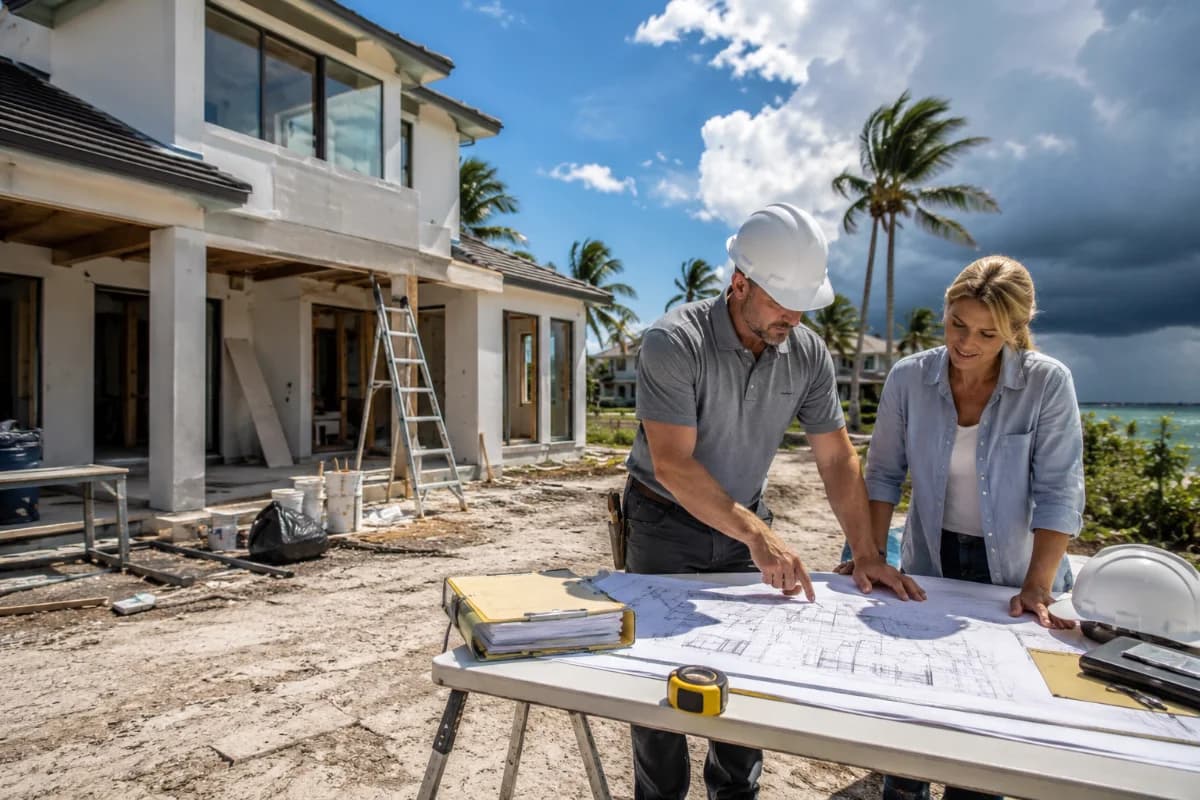
The Complete Guide to Construction Projects in Florida by LACSFL
Complete guide to construction projects in Florida: planning, permits, contractor roles, and how to reduce delays, rework, and cost surprises.
What should Florida homeowners and property owners know before starting construction projects?
Florida construction projects succeed when four basics are handled early: scope, permits, budget, and contractor quality. Whether you are planning residential construction in Florida, commercial construction in Florida, a roof replacement, a remodel, or exterior restoration, the outcome is shaped by local weather, code enforcement, inspection requirements, insurance expectations, and the experience of the team doing the work.
This guide is built as a practical Florida construction guide for beginners who need a clear path through construction planning, contractor selection, scheduling, inspections, and closeout. In most cases, the process follows a predictable sequence: define the work, confirm permit needs, set a realistic budget, choose a qualified professional, schedule trades, complete the work, pass inspections, and document final results. To understand more about the experience and service range behind multi-scope property work, also see the 5 Warning Signs Your Roof Needs Attention Before Hurricane Season article.
The short answer: scope, permits, budget, and contractor quality drive the outcome
A successful project starts with defining exactly what you want the property to do better. That may mean stopping leaks through roof repair, improving curb appeal with exterior painting, modernizing interiors through home remodeling, or coordinating several scopes under one construction project management plan. The clearer your goals are at the beginning, the easier it becomes to control cost and avoid rework later.
Florida adds real complexity to even straightforward jobs. Wind exposure, moisture intrusion risk, municipal review standards, inspection sequencing, and insurance documentation can all affect timelines and decisions. A homeowner comparing bids for home renovation or a business owner planning property maintenance should expect local requirements to shape materials, installation methods, and scheduling. To understand more about how an experienced Florida team approaches roofing, painting, remodeling, and related field work, also see the A Decade of Excellence. One Trusted Name: LACS article.
Which projects this guide covers and when to use LACSFL
This article covers common Florida project types that often overlap in real life: home construction, home renovation, home remodeling, roof replacement, interior upgrades, exterior restoration, repainting, and ongoing maintenance. Some owners only need a focused repair. Others need phased improvements over time. Larger properties may require coordinated scheduling across roofing, painting, repairs, and finish work so one delay does not disrupt everything else.
That distinction matters. A small leak may call for a targeted roofing solution. A dated kitchen and worn exterior may justify phased remodeling plus paint work. A storm-affected building envelope may require broader oversight from a construction company in Florida that can align scopes instead of treating each trade separately. In those situations, LACSFL construction, LACSFL roofing, and LACSFL remodeling fit best as practical solution paths rather than isolated services. To understand more about how one provider can support multiple improvement categories without forcing separate hires, also see the Why Choose LACS for Your Next Project article.
LACSFL brings together more than 10 years of industry experience, 500+ completed projects, and licensed expertise in both general contracting and roofing to help Florida homeowners and property owners make informed construction decisions. Whether the project involves roofing, remodeling, painting, exterior restoration, or broader property improvements, every recommendation is based on practical field experience, code compliance, transparent planning, and a structured process designed to reduce delays, control costs, and deliver long-term value.
How this guide differs from a brand-story article
This hub is about decisions, not company history. The focus here is how Florida homeowners and property owners can plan better projects by understanding costs, permit triggers, scheduling logic, contractor qualifications, inspection milestones, and risk points before signing an agreement.
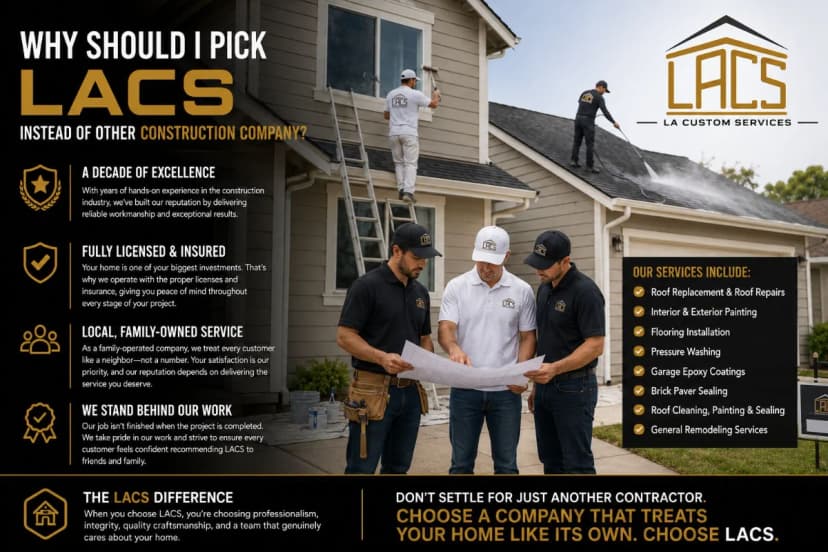
That means you will not find a reputation-focused narrative as the main angle here. Instead, this guide is designed to help beginners compare options intelligently and move from uncertainty to an informed plan. When brand background is useful as supporting context rather than the main topic, it should stay secondary. To understand more about LACSFL’s broader track record across roof care, pressure washing, painting, remodeling, pavers, and granite, also see the Why Should I Choose LACS Instead of Another Construction Company? article.
👉 Avoid costly construction mistakes in Florida. Contact LACSFL today for a free estimate and a project plan built around your budget, timeline, and goals.

Table of Contents
- How does the Florida construction process work from planning to final inspection?
- How do you plan construction projects in Florida without costly surprises?
- Residential construction florida vs commercial construction florida: what is the difference?
- What mistakes should you avoid when hiring a construction contractor florida?
- Conclusion
- Frequently Asked Questions
How does the Florida construction process work from planning to final inspection?
The Florida construction process usually moves through four stages: define scope, confirm permit requirements, build a workable schedule, and complete execution with inspections and documentation. Projects go off track when owners rush into pricing before clarifying goals or when they assume every municipality handles permits and inspections the same way.
Step 1: Define the project scope and performance goals
Start by writing down what success looks like for the property. That sounds simple, but it prevents many expensive misunderstandings later. Your goals may include better weather resistance, lower maintenance needs, improved appearance, safer access areas, updated interiors, stronger resale appeal, or more durable finishes that hold up in heat and humidity.
For example:
- A roofing project may prioritize leak prevention and wind resistance.
- A remodeling job may focus on layout function and finish durability.
- A painting project may target surface protection as much as appearance.
- An exterior restoration scope may address cracks, water intrusion paths, or aging substrates.
This is where good building planning begins. Instead of saying “I want to update my house,” define rooms affected, materials preferred, problem areas already known, and whether you want a repair or full replacement approach. To understand more about the breadth of property improvement scopes that often connect under one plan, also see the How Home Improvements Elevate Comfort, Safety, and Emotional Well-Being article.
Step 2: Confirm permits, code requirements, and inspection milestones
Once scope is clear enough to describe accurately, confirm whether the work requires building permits in Florida and what inspections will likely follow. Permit needs vary by municipality and by scope. Structural changes almost always draw closer review than cosmetic updates. Roofing systems often involve specific code expectations. Electrical and plumbing changes typically trigger trade permit considerations as well.
Owners should not guess here. Ask early whether your project involves municipal review only once at the start or whether it includes staged construction inspections during progress. Inspection timing matters because missed windows can stall crews even when labor and materials are ready on site.
A reliable contractor should be able to explain:
- Whether permits are likely required
- Which parts of scope are permit-sensitive
- What documentation may be needed
- When inspections are expected during the job
- How failed or delayed inspections affect schedule
To understand more about why experience across regulated improvement categories matters in Florida, also see the Why Hiring a Licensed & Insured Contractor Protects You article.
Step 3: Build the schedule, procurement plan, and site workflow
After scope and permit direction are defined, turn them into an actual workflow. A realistic construction timeline accounts for demolition if needed, structural prep if applicable, material ordering, delivery windows, active installation time, inspection holds, punch list corrections, cleanup, and owner walkthroughs.
In Florida especially, weather can change site conditions quickly. Rain events affect roofing windows. Humidity affects coatings and cure times. Material lead times can shift if selected products are specialty items rather than standard stock. Coordination becomes even more important when several trades overlap.
A useful schedule should answer these questions:
- What happens first?
- Which tasks depend on approved inspections?
- What materials must be ordered early?
- Who protects finished areas while other trades continue?
- What could delay completion?
To understand more about how long-term field experience supports tighter coordination across multiple trades, also see the What Every Homeowner Should Know Before Hiring a Contractor article.
Step 4: Execute, inspect, and close out the project correctly
Execution is not just “doing the work.” It includes supervision quality control, documented changes when conditions differ from assumptions, milestone verification before covering finished assemblies, final inspection coordination where required, punch list completion, warranty record collection, and practical maintenance guidance after handoff.
Change orders deserve special attention during this phase. Some changes happen because an owner upgrades finishes mid-project. Others happen because hidden damage appears once surfaces are opened or removed. The key is that changes should be documented clearly rather than handled informally through verbal assumptions.
Closeout should include:
- Final walkthrough notes
- Any remaining corrections
- Product or system information
- Warranty details
- Maintenance recommendations
- Photos or records where useful
That final package helps protect your investment long after crews leave site. To understand more about why post-project care matters across roofs, painted surfaces, remodeling finishes, and exterior elements, also see the A Decade of Excellence. One Trusted Name: LACS Preventive Home Maintenance: Small Repairs That Save Thousands article.
How do you plan construction projects in Florida without costly surprises?
The best way to avoid expensive surprises is to treat planning as part of the project itself rather than as a quick prelude to getting bids. Real planning means budgeting for uncertainty, documenting decisions early, preparing the site properly, and reducing open-ended assumptions that turn into delays or change orders later.
How to set a realistic budget for construction costs
Many owners underestimate total cost because they focus only on visible labor and materials. Strong construction budget planning includes much more than that. Depending on scope size and property condition, your budget may need to account for permits, disposal fees, access limitations, protection of occupied spaces, specialty equipment needs, finish-level upgrades, design input if required by scope complexity or layout changes.
It is also smart to carry a contingency reserve. In Florida projects involving older homes or weathered exteriors especially there may be hidden deterioration behind surfaces or code-related upgrades needed once work begins in earnest.
A realistic budget often includes:
- Base labor
- Materials
- Permit-related expenses
- Demolition or removal
- Disposal
- Surface prep
- Access equipment
- Contingency reserve
- Final touch-up or punch list allowance
That reserve is not wasteful padding; it is protection against predictable uncertainty in real-world field conditions. To understand more about the value of hiring once instead of correcting fragmented work later, also see the Why Experience Matters When Working on Your Roof article.
👉 Whether you're planning roofing, remodeling, or a complete property improvement, let LACSFL help you choose the right solution before you invest. Request your free consultation now.
What to include in a Florida construction checklist before work starts
A strong construction checklist reduces confusion before crews arrive on site. Owners should prepare both project documents and practical site logistics so work can start cleanly instead of losing days to preventable issues.
Your preconstruction checklist should include:
- Written goals for each area of work
- Basic measurements or plans if available
- Current photos of conditions
- Contractor license verification
- Insurance confirmation
- Permit path discussion
- Payment schedule review
- Material selections or allowances
- Communication expectations
- Site access instructions
For occupied homes or active properties add another layer:
- Where vehicles can park
- Which entries crews should use
- Pet containment plans
- Protection for furniture or finishes
- Quiet-hour restrictions if needed
- Daily cleanup expectations
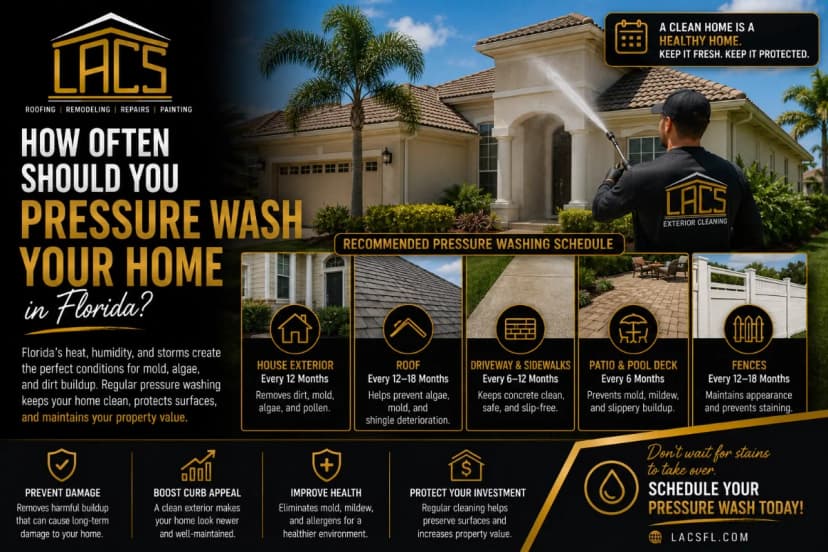
These details matter because disruption management is part of project quality too. To understand more about what organized service delivery looks like across active residential and commercial environments, also see the Why Pressure Washing Is More Than Just Curb Appeal article.
How to reduce delays rework and budget drift
Most delays do not begin with one major disaster; they start with small unresolved decisions that accumulate over time. Rework often comes from vague scopes such as “repair as needed” without defining limits or standards for completion. Budget drift usually follows when owners approve products late or switch direction after crews have already mobilized around earlier assumptions.
You can reduce those risks by insisting on:
- Written scope descriptions
- Material approval before start dates
- Milestone reviews at logical checkpoints
- One main point of contact
- Clear change-order procedures
- Documented exclusions as well as inclusions
This is where disciplined construction management adds value even on smaller jobs. If roofing choices affect fascia repairs or paint sequencing affects occupancy plans inside a home then early coordination prevents duplicated labor later.
Residential construction florida vs commercial construction florida: what is the difference?
Residential and commercial jobs share core principles such as planning budgeting permits scheduling and quality control but they differ in priorities constraints documentation needs and delivery methods. Homeowners usually focus on livability appearance cost control and phased improvements while commercial owners must also protect operations access safety compliance records and tenant continuity.
Residential projects homes renovations remodeling and roofing
In residential settings common scopes include new home work additions kitchen or bath updates whole-home improvements roofing repainting exterior upgrades and targeted repairs after age wear or storm exposure takes its toll.
Homeowner priorities tend to center on daily life:
- Can we stay in the home during work?
- Which upgrades add long-term value?
- How disruptive will this phase be?
- Is repair enough or should we replace now?
- Can we stage improvements over time?
Those questions shape delivery strategy just as much as technical requirements do. A family living through a remodel needs sequencing that protects occupied rooms controls dust manages noise reasonably well keeps essential functions available whenever possible.
Because many residential scopes overlap aesthetically and technically roofing painting trim repairs waterproofing surface prep interior finish protection coordination matters even when each task seems separate at first glance.
Commercial projects compliance scheduling and operational continuity
Commercial work often includes tenant improvements exterior restoration repainting roof maintenance replacement programs common-area upgrades façade care waterproofing repairs safety-related corrections or broader capital improvement packages across occupied properties.
The difference is not just scale; it is operational pressure. Businesses cannot always pause normal activity simply because contractors need unrestricted access. That means schedules may need night shifts weekend windows phased area turnovers stricter documentation daily reporting access controls occupant notices or added safety separation between workers customers staff residents or tenants depending on property type.
Commercial delivery usually demands closer attention to:
- Operational continuity
- Site safety protocols
- Access restrictions
- Documentation trails
- Inspection readiness
- Coordination with managers tenants or staff
For these reasons commercial owners often benefit from stronger front-end planning than they initially expect even when visible scope appears straightforward such as repainting exteriors or replacing sections of roofing over active spaces below. To understand more about the kind of broad field capability helpful across complex property portfolios, also see the Why Experience Matters When Working on Your Roof article.
When one contractor can coordinate multiple scopes more efficiently
Hiring separate trades independently can work for very small isolated tasks. But once scopes begin affecting each other single-source coordination often becomes more efficient. A roof replacement may influence fascia repairs exterior paint timing gutter details waterproofing transitions debris staging parking use,and final punch sequencing. A remodel can intersect with painting flooring trim electrical updates,and surface protection requirements all at once.
That is where a capable general contractor in Florida or experienced building contractor adds value beyond labor alone. The benefit is accountability. You reduce finger-pointing between trades gain clearer scheduling logic improve inspection readiness,and simplify communication through one lead team rather than several disconnected vendors operating on their own assumptions.
Single-source coordination tends to help most when:
- Several trades share access areas
- Permit timing affects multiple phases
- Occupied conditions require careful sequencing
- Finish quality depends on earlier prep being done correctly
What mistakes should you avoid when hiring a construction contractor florida?
Avoiding bad hires starts with refusing vague promises.A qualified contractor should be able to explain scope assumptions licensing relevance schedule logic documentation standards,and how inspections changes,and closeout will be handled.If those basics stay unclear before signing,the risk rarely improves once money has been committed.
Red flags that signal risk before you sign a contract
Several warning signs appear early if you know where to look.One obvious issue is an unusually low bid that lacks detail.Low price alone does not prove poor quality,but missing line items vague allowances,and no discussion of permits often signal trouble.Another red flag is weak communication during estimating.If responses are slow imprecise dismissive or inconsistent before work starts expect bigger problems later under pressure.
Watch closely for these risk indicators:
- No clear written scope
- No mention of permit responsibility
- Pressure to sign immediately
- Incomplete insurance information
- No relevant local experience discussed
- Verbal promises replacing written terms
- Unclear payment structure
Florida owners should verify whether they are dealing with a properly qualified professional for their type of job especially when roofing structural modifications major remodeling or weather-exposed exterior systems are involved.A true licensed contractor in Florida should welcome reasonable due diligence rather than resist it.To understand more about the importance of proven field credibility across specialized services, also see the Small Roof Leak Today… Major Damage Tomorrow! article.
Questions to ask a general contractor florida or licensed roofing contractor
Good questions protect both sides because they force clarity before expectations harden into disputes.When evaluating a general contractor,a remodeling contractor in Florida,a roofing contractor in Florida.or any building professional handling meaningful scope ask direct questions tied to execution not just sales language.
Useful questions include:
1.What exactly is included in this price? 2.What exclusions should I expect? 3.Do you believe permits will be required? 4.Who handles permit coordination? 5.What assumptions support your timeline? 6.How are changes documented priced,and approved? 7.Who supervises crews daily? 8.What inspections could affect progress? 9.What warranties apply,and what maintenance supports them?
Trade-specific questions matter too.For roof repair ask whether underlying deck issues would change recommendation.For roof replacement ask what triggers full-system replacement versus partial correction.For painting ask about prep standards coating system compatibility moisture concerns,and expected lifespan under local exposure.For structural remodeling ask how hidden conditions are handled once walls floors.or ceilings are opened.To understand more about the value of broad expertise when comparing roofing remodeling,and painting decisions together, also see the LACS Tells You Everything You Need to Know About Tile Roofs article.
📌 Decision
If your roof is relatively young damage is localized,and underlying components remain sound,a focused repair may be enough.If age wear repeated leaks storm exposure.or widespread deterioration are present,replacement often creates better long-term value.
If only one area of your home truly limits function,a phased remodel may protect cash flow while still improving livability.If multiple systems finishes,and layouts are outdated at once,a full renovation can reduce repeated mobilization costs.and shorten total disruption.
If your project involves one isolated trade with no meaningful overlap,a single specialty contractor may be appropriate.If roofing painting remodeling,and maintenance tasks affect each other,a managed multi-scope approach usually improves accountability schedule control,and finish consistency.
Use these criteria before deciding: current age.and condition urgency budget flexibility permit complexity occupancy status,and long-term maintenance goals.The right choice is rarely just cheapest upfront;it is the option that best fits lifecycle value risk level.and execution reality in Florida conditions.
👉 Start your Florida construction project with confidence. Get a free expert assessment from LACSFL and receive practical guidance before making your final decision.
Conclusion
Better construction outcomes in Florida come from disciplined early decisions. Clear scope, realistic budgeting, permit awareness, qualified contractors, and organized project management matter far more than fast verbal pricing. Beginner owners do best when they document goals, compare options carefully, and judge proposals by durability, coordination, and lifecycle value rather than initial price alone.
Whether you are weighing home construction guidance, comparing repair versus replacement, considering phased improvements, or preparing for larger property upgrades, the same fundamentals apply. Define what success means, confirm code and permit implications, build contingency into your budget, ask better questions, and insist on written clarity throughout. That approach reduces avoidable surprises across roofing, remodeling, painting, and broader property improvement work.