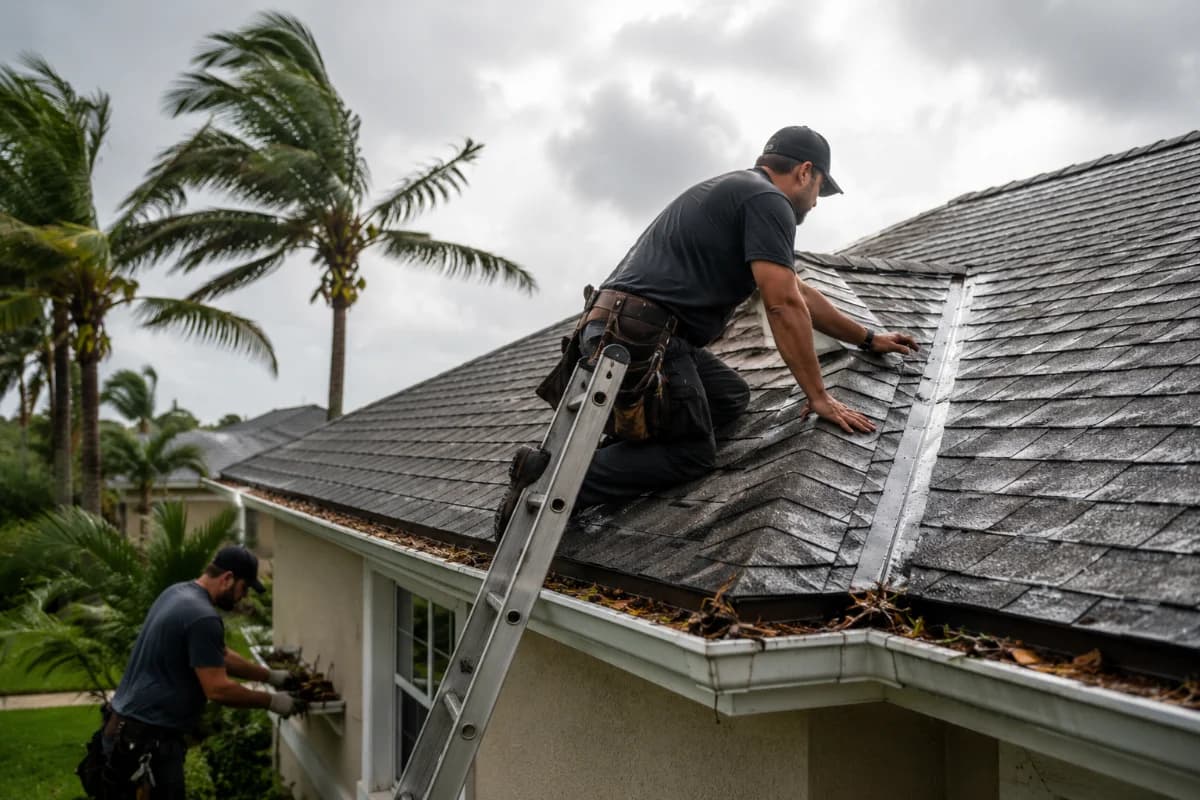
The Complete Guide to Roofing in Florida: Maintenance, Repair and Replacement
Complete Florida roofing guide: inspections, maintenance, repairs, and when replacement makes sense for heat, humidity, and hurricanes.
What should Florida homeowners know about roofing in Florida?
Florida roofs need more attention than roofs in milder states. Heat, humidity, salt air, heavy rain, and hurricane exposure can shorten service life, speed up wear, and turn small defects into leaks fast. For most homes, the right approach is a cycle of roof inspection Florida, preventive roof maintenance Florida, timely roof repair Florida, and eventually roof replacement Florida when repairs stop making financial sense.
A practical Florida roofing guide starts with one reality: no single plan fits every home. The right decision depends on roof age, material type, storm history, attic ventilation, flashing condition, drainage performance, and whether moisture has already reached the decking or interior. An older asphalt shingle roof near the end of its lifespan needs a different strategy than a newer tile roof Florida home with isolated flashing damage or a low-slope section using flat roof systems.
If your home has not had a recent inspection, especially ahead of storm season, now is the time to act. To understand more about what to review before calling a contractor, also see the roof inspection checklist for homeowners article. To understand more about hidden post-storm issues, also see the signs your roof has storm damage article. To understand more about seasonal risk planning, also see the how hurricane season affects Florida homes article.
The short answer: Florida roofs fail faster without climate-specific maintenance
A roof in Florida deals with constant thermal expansion, intense UV exposure, wind-driven rain, airborne salt near the coast, and prolonged humidity that supports algae and mold growth. Those conditions can dry out sealants, loosen flashing connections, age underlayment faster, and reduce the overall roof lifespan Florida homeowners expect from standard materials.
That is why protecting Florida home roofing usually means staying proactive instead of waiting for an obvious leak. A homeowner may need annual inspections, gutter cleaning, attic moisture checks, minor sealing work, and prompt roof leak repair after storms. Delaying those steps often leads to larger issues such as rotted decking, insulation damage, stained ceilings, or mold inside the attic.
The key point is simple: most roofs do not jump from “fine” to “failed” overnight. They decline in stages. Regular inspections help catch those stages early enough for affordable action.
Why Florida home roofing is different from roofing in other states
In many parts of the country, roofing decisions are driven mostly by snow load, freeze-thaw cycles, or standard rainfall. In Florida, priorities shift toward sun resistance, moisture management, wind uplift protection, drainage speed, and code compliance for severe weather. That changes how homeowners should think about materials, maintenance intervals, and replacement timing.
A low upfront price can become expensive if the system cannot handle ponding water, attic heat buildup, or repeated tropical storm exposure. Strong residential roofing Florida decisions focus on durability under local conditions. That includes proper fastening patterns, quality underlayment, effective ventilation paths, clean drainage routes, and well-installed flashing at penetrations and transitions.
To understand more about material performance in hot weather, also see the best roofing materials for hot climates article. To understand more about airflow under the roof system, also see the attic ventilation basics article. To understand more about runoff control around the house envelope, also see the how roof drainage protects the foundation article.
When maintenance, repair, or replacement makes the most sense
Most homeowners are not trying to become roofing experts. They just want to know what needs attention now, what can wait a little longer, and when replacing the whole system is safer than continuing repairs. That is exactly where a good decision framework matters.
In this guide, you will learn how to use a realistic roof maintenance checklist, recognize meaningful roof damage signs, evaluate roof leak repair options after storms or aging-related failure, compare roof repair vs replacement, understand common material choices, estimate likely project costs, and choose a qualified Florida roofing contractor without relying on sales pressure alone.
To understand more about tracing leak sources before repairs begin, also see the roof leak troubleshooting guide article. To understand more about deciding between patching and full replacement, also see the roof repair or replacement decision factors article. To understand more about vetting companies before signing anything, also see the questions to ask a roofing contractor article.
👉 Protect your roof before Florida's weather turns small problems into major repairs. Schedule your professional roof inspection with LACS today.

Table of Contents
- How does roof maintenance Florida work in practice?
- What roof damage signs mean you need roof repair Florida?
- Roof repair vs replacement in Florida: which option fits your roof?
- Which roofing materials Florida homeowners choose most often?
- How much should Florida homeowners expect to pay for roofing?
How does roof maintenance Florida work in practice?
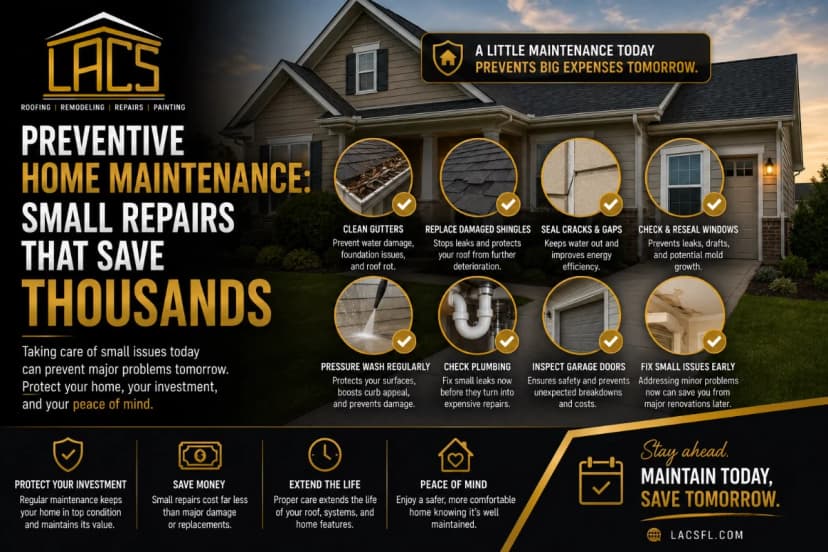
In practice, roof maintenance means scheduled observation and small corrective actions before damage spreads. For Florida homes, that usually includes cleaning drainage paths, checking flashing and sealants, watching for storm-related movement or breakage, and monitoring attic conditions that reveal hidden moisture or ventilation problems.
A practical roof maintenance checklist for Florida homes
A strong roof maintenance checklist should be organized by frequency so it is easy to follow instead of becoming another forgotten task list.
Monthly
- Look for visible debris accumulation
- Check ceilings for new stains
- Walk around the exterior for sagging gutters or displaced materials
- Watch for shingle granules near downspouts
Seasonally
- Clear leaves and branches from valleys and drains
- Perform basic gutter maintenance
- Inspect soffit and fascia for rot or staining
- Review exposed sealant around vents and penetrations
Annually
- Schedule a professional roof inspection Florida
- Check attic insulation for dampness
- Review ventilation performance and signs of trapped heat
- Inspect visible roof flashing at chimneys, skylights, walls, and plumbing vents
After storms
- Look for lifted shingles, cracked tiles, and punctures from debris
- Check interior ceilings and attic sheathing
- Photograph anything unusual before temporary repairs begin
For broader planning across seasons, also see the seasonal home maintenance calendar article. To understand more about keeping runoff paths clear and functional, also see the gutter maintenance tips article. To understand more about vulnerable transition areas that commonly leak first, also see the how to spot flashing problems article.
Why roof ventilation, roof drainage, and flashing matter more than most owners think
Many leaks are blamed on surface materials when the real issue starts elsewhere. Poor roof ventilation traps heat in the attic and allows moisture to linger longer than it should. That combination can age shingles faster, encourage mold growth on framing members, reduce energy efficiency during long hot months, and create condensation that looks like an exterior leak.
Drainage matters just as much. Weak slope design on low-slope sections, clogged gutters, blocked scuppers, or poor discharge points can keep water where it does not belong. Over time that stresses seams, underlayment edges, fascia boards, fasteners, and decking. In other words, bad roof drainage shortens service life even when the field material still looks acceptable from the ground.
Then there is flashing. Damaged or poorly installed roof flashing around walls, chimneys, valleys, skylights, or vent penetrations often becomes the first true entry point for water intrusion. To understand more about airflow’s effect on comfort and utility bills, also see the attic ventilation and energy efficiency article. To understand more about typical leak-prone metal transitions and joints, also see the common flashing failure points article. To understand more about runoff issues on lower-pitch assemblies, also see the drainage problems around low-slope roofs article.
Roof inspection before hurricane season: what to check and when to call a pro
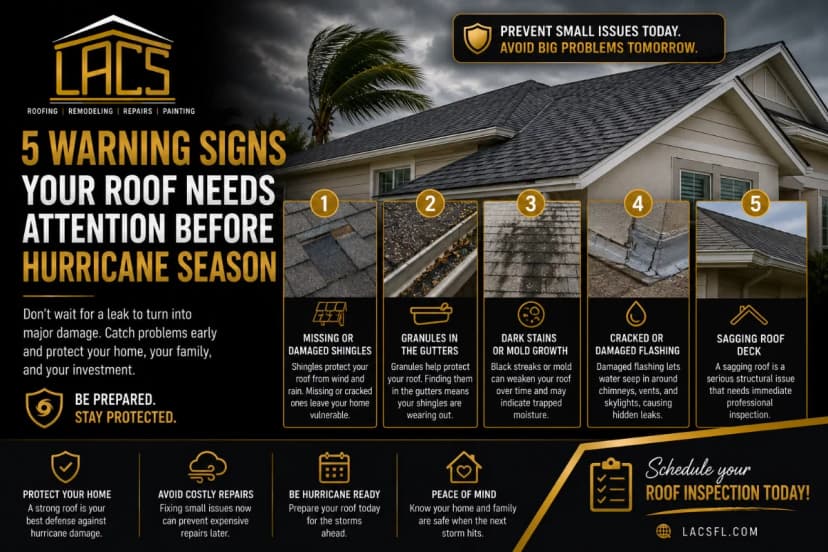
The best time for a pre-storm inspection is before hurricane season ramps up or immediately after any major weather event if your last review was months ago. Waiting until winds are forecast often means contractors are already overloaded and small correctable issues stay unresolved when they matter most.
Homeowners should check for loose edges, cracked sealants at penetrations, rusted flashing components, clogged gutters or drains, tree limbs overhanging the structure, interior stains near exterior walls, musty attic odors, or signs of prior patchwork failing again. It also helps to document current condition with photos before storm season so later insurance discussions have a baseline.
During a contractor walkthrough, ask:
- Are there signs of active moisture intrusion?
- Is any area close to failure even if it is not leaking yet?
- Does ventilation appear balanced?
- Are there code-related concerns if repairs are needed?
- Which items are urgent versus watch-list issues?
To understand more about broader storm-readiness planning beyond roofing alone, also see the hurricane preparedness for homeowners article. To understand more about evidence gathering after severe weather, also see the storm documentation checklist article. To understand more about what trained inspectors actually review, also see the what a professional roof inspection includes article.
What roof damage signs mean you need roof repair Florida?
The clearest sign you need repairs is not always a dramatic leak. In Florida homes, early warning signs often appear as subtle staining, loose components after wind events, recurring damp smells in attic spaces, or localized material failure around penetrations and edges where water first gets underneath.
The most common roof damage signs Florida homeowners miss
Some warning signs are easy to overlook because they seem cosmetic at first. Ceiling discoloration may appear long after water entered elsewhere because moisture follows framing before dripping indoors. Granule loss from an aging shingle surface may show up in gutters before bald spots become obvious from outside. A cracked tile may seem minor but can expose underlayment that then degrades quickly under sun and rain.
Other common red flags include:
- Lifted or creased shingles after wind
- Soft spots in decking felt during professional inspection
- Rusted or separated flashing
- Sagging sections that suggest trapped moisture or structural movement
- Repeated leaks in roughly the same area
- Moldy smells in attic corners
- Interior bubbling paint near ceiling lines
Small symptoms often point to larger hidden moisture intrusion rather than isolated surface defects. To understand more about stain patterns inside living spaces, also see the ceiling leak causes explained article. To understand more about broken tabs, creases, and missing granules, also see the how to identify shingle damage article. To understand more about brittle sections and movement issues on heavier systems, also see the tile roof warning signs article.
Roof leak repair after storms, wind, and heavy rain
After severe weather, speed matters—but so does accuracy. Not every mark left by wind or debris requires full replacement, yet some damage that looks minor can compromise waterproofing immediately. Effective roof leak repair begins with temporary mitigation if active water entry is occurring, then moves into documented inspection before permanent work starts.
Emergency tarping can help limit interior damage when shingles are missing, tiles are broken open, branches puncture sheathing, or seams separate on low-slope areas. What should never be delayed includes exposed decking, active leaks into electrical areas, visible sagging, detached flashing near wall intersections, or widespread wind displacement along ridges and eaves.
It is also important to separate cosmetic issues from functional ones. A few superficial scuffs may not affect performance, but lifted tabs, punctures, broken seals, displaced ridge caps, membrane tears, or underlayment exposure absolutely do affect performance—especially during repeated rain events common in Florida.
To understand more about temporary protection methods before crews arrive, also see the emergency roof tarp guide article. To understand more about documenting losses correctly after storms, also see the storm damage insurance steps article. To understand more about subtle uplift patterns that homeowners miss from ground level, also see the what wind damage looks like on a roof article.
What happens during a professional roof inspection Florida service
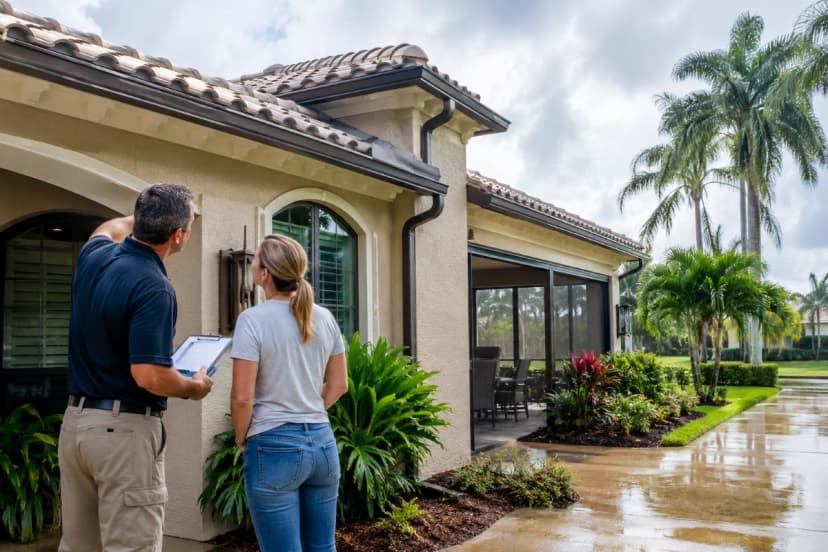
A professional inspection usually includes an exterior review of field materials, edges, penetrations, valleys, flashing details, drainage paths, visible structural irregularities, and any storm-related impact points. If accessible, it should also include an attic review to look for moisture staining, daylight penetration, insulation wetness, mold indicators, ventilation imbalance, and deck deterioration from below.
What happens during a roof inspection?
A roofer checks exterior materials for wear or storm movement, examines flashing and drainage details where leaks commonly start, looks inside the attic for hidden moisture evidence, takes photos of problem areas, then recommends maintenance, targeted repairs, or replacement depending on age and overall condition.
A good report should explain not just what is wrong but why it matters now versus later. It should identify immediate risks, monitoring items, and whether multiple small problems point toward declining system integrity rather than isolated defects.
To understand more about how this differs from general property evaluations, also see the home inspection vs roof inspection article. To understand more about photo records, notations, and scope support, also see the how contractors document roof damage article. To understand more about how to make that visit useful instead of passive, also see the questions to ask during an inspection article.
👉 Whether you need maintenance, repairs, or a full replacement, trust LACS to help you make the right roofing decision with confidence.
Roof repair vs replacement in Florida: which option fits your roof?
The right choice depends on remaining service life, damage extent, and whether repairs solve root causes or just buy time briefly. In Florida, the climate makes repeated patching less attractive once leaks recur, materials age out, or storm exposure reveals widespread weakness across multiple parts of the system.
When roof repair is enough and when it is only delaying a bigger problem
Repair usually makes sense when damage is localized, the surrounding material still has meaningful life left, and no major structural concerns are present. Examples include limited flashing failure, a small puncture, a few wind-damaged shingles, isolated tile breakage, or one leak source tied clearly to a vent boot or transition detail.
Replacement becomes easier to justify when:
- The roof is near the expected end of its service life
- Leaks keep returning after prior fixes
- Storm damage affects multiple slopes or sections
- Underlayment deterioration is widespread
- Decking shows rot in several areas
- Repair costs keep stacking up without restoring confidence
This is where honest evaluation matters most in any discussion of roof repair vs replacement. Age alone does not decide everything, but age plus recurring leaks plus broad wear usually points toward a full reroof rather than another patch cycle.
To understand more about expected longevity by system type, also see the how long roofs last by material article. To understand more about warning signs beneath surface materials, also see the warning signs of structural roof issues article. To understand more about local requirements that may affect scope once work begins, also see the common reroofing code considerations article.
Roof replacement guide: the decision factors that matter most in Florida
A sound roof replacement guide for beginners should focus less on sales language and more on decisions that affect long-term performance: permits, deck condition, underlayment quality, ventilation upgrades, material compatibility with local weather, fastening method, flashing details, cleanup standards, and warranty clarity.
In many cases, the smartest way to protect your roof Florida home is to replace it before chronic leaks spread into ceilings, insulation, framing, or interior finishes that cost far more to restore later. Replacement may also be an opportunity to correct poor intake/exhaust balance, upgrade drainage details, replace worn-out flashings comprehensively, and choose better-performing materials for your location.
Homeowners should expect a process that includes inspection, a written estimate, permit handling where required, material selection, tear-off if applicable, deck review, installation, final cleanup, and walkthrough documentation—not just “new shingles” over unresolved underlying issues.
To understand more about project sequencing from start to finish, also see the what to expect during a roof replacement article. To understand more about secondary waterproofing layers below visible materials, also see the roof underlayment options explained article. To understand more about workmanship versus manufacturer coverage differences, also see the roof warranty terms homeowners should know article.
📌 Decision
Repair if damage is localized, the rest of the system remains sound, and your roof still has moderate remaining life.
Replace if leaks are recurring, storm damage is widespread, materials are aging out across multiple areas, or hidden moisture has already compromised underlayment or decking.
Get a second opinion if repair quotes start approaching a large share of replacement cost or if one contractor recommends a full reroof while another suggests limited work without clear photo evidence.
Insurance may help with qualifying storm-related losses, but deductibles, exclusions, age limits, and claim history all matter. Long-term ownership plans matter too: if you expect to stay in the home for years, paying once for a durable solution may be smarter than funding repeated short-term fixes.
To understand more about lining bids up fairly side by side, also see the how to compare roofing estimates article. To understand more about claim-related conversations after weather events, also see the insurance questions to ask after roof damage article. To understand more about end-of-life indicators beyond obvious leaking, also see the signs it is time to replace your roof article.
Which roofing materials Florida homeowners choose most often?
Florida homeowners commonly choose asphalt shingles, tile systems, metal in some markets, and membranes for low-slope areas. The best fit depends on budget, structure, appearance goals, wind exposure, maintenance tolerance, drainage design, and how long you plan to keep the property.
Asphalt shingle roof, tile roof Florida, and flat roof systems compared
Each material category serves different needs within Florida home roofing, especially because design style, slope, weight capacity, neighborhood standards, and budget vary widely across regions.
| Roofing system | Typical strengths | Main tradeoffs | Best fit |
|---|---|---|---|
| Asphalt shingle roof | Lower upfront cost, broad style range, easier spot repairs | Shorter lifespan than premium systems, heat aging, granule loss over time | Many standard pitched residential homes |
| Tile roof Florida | Strong curb appeal, long potential lifespan, good heat performance | Higher weight, higher installation cost, breakage risk under foot traffic | Homes designed structurally for tile |
| Flat roof systems | Practical for low-slope sections, modern designs, certain additions | Drainage sensitivity, seam/detail dependence, ponding risk if poorly designed | Low-slope residential areas, porches, additions |
Material choice should never be separated from installation quality, underlayment selection, fastening pattern, flashing execution, and ventilation strategy because those details heavily influence real-world performance.
To understand more about budget-friendly pitched options, also see the asphalt shingle pros and cons article. To understand more about care needs on heavier profile systems, also see the tile roof maintenance guide article. To understand more about membranes used where slope is limited, also see the flat roof membrane basics article.
How roofing materials Florida choices affect lifespan, maintenance, and storm performance
Material selection changes everything from expected service life to how often inspections should happen after storms. For example, shingles may show wear through granule loss, curling, lifting, or seal-strip failure; tile may outlast many alternatives structurally but still depend heavily on underlayment condition beneath; low-slope membranes may perform well but demand close attention to seams, drains, penetrations, and ponding behavior.
That means true roof lifespan Florida expectations come from system design—not surface material alone. Underlayment quality, fastening method, deck condition, coastal exposure, attic heat levels, tree cover, foot traffic, past repairs, and routine upkeep all influence longevity far beyond brochure claims.
Maintenance complexity matters too. Some systems allow easier isolated repairs while others require careful matching, specialized labor, or broader tear-back around damaged details after storms.
To understand more about realistic service ranges for common shingle installations, also see the how long asphalt roofs last article. To understand more about longevity expectations beneath tile coverings, also see the how long tile roofs last article. To understand more about upgrades aimed at better severe-weather resilience, also see the storm-resistant roofing upgrades article.
How to choose a Florida roofing contractor for repair or replacement
Choosing a qualified Florida roofing contractor matters as much as choosing material because poor workmanship can undermine even premium products quickly in this climate. Start with license verification, insurance confirmation, local project references, a detailed written scope, permit knowledge, cleanup procedures, timeline expectations, warranty explanations, and clear documentation of existing conditions before work starts.
A practical contractor checklist includes:
- Valid state licensing appropriate for roofing work
- General liability and workers’ compensation coverage
- Local experience with similar homes and materials
- Written scope listing tear-off, underlayment, flashing, ventilation, disposal, permits, and cleanup
- Photo-backed inspection findings
- Warranty terms explained in plain English
- No-pressure tactics tied only to immediate signatures
- Caution around storm-chaser behavior after major weather events
Request multiple written estimates so you can compare scope—not just price—and ask each company for an inspection summary with photos before agreeing to anything major.
To understand more about screening companies systematically, also see the contractor vetting checklist article. To understand more about contract review before commitment, also see the questions to ask before signing a roofing contract article. To understand more about differences between workmanship promises and product coverage, also see the how to compare roofing warranties article.
How much should Florida homeowners expect to pay for roofing?
Roofing costs in Florida vary widely because pricing depends on scope rather than square footage alone. Maintenance visits cost far less than full replacement, but access difficulty, steep pitch, hidden deck damage, permit requirements, material choice, ventilation upgrades, disposal needs, and storm-related complications can change totals quickly.
What drives roofing costs Florida from maintenance to full replacement
Routine inspections are usually influenced by accessibility, size, complexity of penetrations, attic accessibility, whether photo reports are included, and whether storm documentation is needed. Maintenance pricing often reflects cleaning needs, resealing minor details, replacing isolated flashings, clearing drains or gutters, and correcting small defects before they spread.
Minor repair pricing rises when leak tracing becomes difficult or when matching older materials takes extra labor. A simple vent boot issue differs greatly from chasing intermittent intrusion through valleys, wall intersections, skylights, or low-slope transitions. Storm repair costs depend on urgency, emergency mitigation, tarp installation, moisture exposure duration, insurance documentation needs, and whether interior protection must happen immediately.
Full-project pricing adds tear-off labor, disposal fees, permit expenses, possible deck replacement, underlayment upgrades, flashing replacement, ventilation improvements, staging logistics, and final cleanup requirements. That is why two roofs with similar square footage can produce very different estimates.
To understand more about line-item proposal structure, also see the roofing estimate breakdown article. To understand more about municipal approval expenses across projects, also see the permit costs for home projects article. To understand more about why steepness changes crew time and safety demands, also see the how roof pitch affects labor article.
Roof replacement cost Florida by material and project complexity
No responsible contractor can quote exact statewide numbers without inspecting your property, but homeowners can still use broad categories to compare likely cost direction among systems.
| Project type | Relative cost level | Why pricing changes |
|---|---|---|
| Shingle replacement | Lower to mid-range | Material grade, tear-off layers, pitch, valley detail complexity |
| Tile replacement | Higher | Weight handling, accessory components, structural considerations, labor intensity |
| Flat / low-slope replacement | Mid-range to high depending on membrane | Drainage design, seam detailing, insulation/substrate condition |
Real-world roof replacement cost Florida proposals may increase due to market swings in material pricing, regional labor differences between North, Central, and South Florida, disposal charges, permit fees, upgraded ventilation assemblies, enhanced underlayment packages, code-required changes discovered during tear-off, and hidden substrate deterioration once old materials come off.
That means comparison shopping works only when scope matches closely across bids. A cheaper number may exclude flashing, wood replacement allowances, permit handling, or post-installation cleanup standards that another estimate includes clearly.
To understand more about typical factors behind shingle project budgets, also see the cost of shingle roof replacement article. To understand more about why tile jobs often escalate beyond surface material alone, also see the cost of tile roof replacement article. To understand more about membranes, insulation, and drain-related variables on low-slope sections, also see the flat roof replacement cost factors article.
Common pricing mistakes homeowners make before signing a contract
One of the biggest mistakes is comparing bids by total price only. A lower number may leave out tear-off depth, permit responsibility, drip edge replacement, flashing renewal, ventilation corrections, debris hauling, warranty registration, or deck repair allowances. Another common mistake is accepting verbal promises without photo evidence showing why certain work is necessary.
Homeowners also run into trouble when they ignore exclusions buried in contracts. For example, “wood replacement extra as needed” can be reasonable—but only if allowance language, unit pricing, and the approval process are clear beforehand. Warranty misunderstandings create problems too; manufacturer coverage does not automatically protect against poor installation.
Before signing:
- Match each estimate line by line
- Ask what happens if damaged decking appears during tear-off
- Confirm permit handling responsibility
- Request proof of insurance
- Clarify payment schedule
- Read warranty limitations carefully
- Keep all inspection photos and written recommendations
Careful review reduces surprises far better than chasing only the cheapest proposal.
Comparison
| If your roof... | The best next step |
|---|---|
| Has minor wear but no active leaks | Schedule routine maintenance and monitor its condition |
| Has isolated damage after a storm | Arrange a professional inspection and targeted repairs |
| Has recurring leaks or multiple problem areas | Compare repair costs with replacement options |
| Is nearing the end of its expected lifespan | Plan for a roof replacement before major failures occur |
| Shows widespread damage, structural concerns, or repeated repairs | Prioritize a full roofing evaluation and discuss replacement solutions |
Conclusion
Florida roofs demand practical attention because climate stress never really pauses. Sun, humidity, heavy rain, salt exposure in some regions, and hurricane threats all push systems harder than many homeowners realize. The safest approach is not panic-driven replacement or endless patchwork—it is informed timing based on inspections, maintenance history, material age, visible condition, and future ownership plans.
If your roof is relatively young with isolated defects, targeted repairs may be enough. If leaks repeat, storm damage spreads across multiple areas, or aging components are failing together, replacement often becomes the smarter investment. Either way, a strong plan starts with documentation, realistic budgeting, and choosing a contractor who explains findings clearly rather than selling fear.
Used well, this guide helps you decide what deserves immediate action, what belongs on a watch list, and how to protect your home before small weaknesses become expensive structural problems.
👉 Don't wait for the next storm to reveal hidden roof damage. Contact LACS today and keep your home protected year-round.