The Complete Florida Home Hurricane Preparation Guide
Complete Florida hurricane prep guide: inspections, supplies, insurance review, evacuation plan, 72-hour timeline, and post-storm safety steps.
How should Florida homeowners prepare for hurricane season?
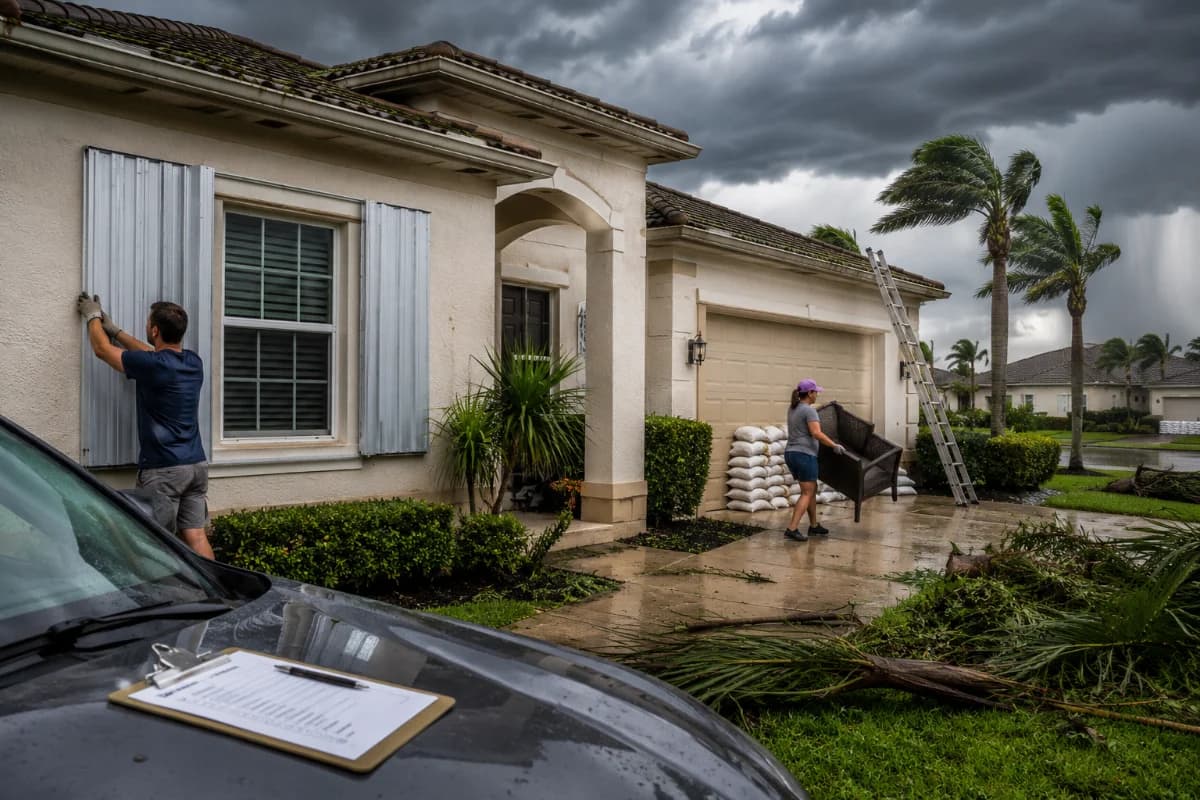
Florida homeowners should prepare for hurricane season by starting early, inspecting the entire exterior, fixing small problems before they grow, organizing emergency supplies, reviewing insurance, and making a clear family evacuation plan. The most effective Florida hurricane preparation is not a last-minute scramble. It is a repeatable system that begins before the season starts and continues through landfall preparation and post-storm inspection.
The short answer: start before hurricane season Florida begins
A strong Florida hurricane guide should help you do more than buy bottled water and hope for the best. To prepare your home for hurricane season, you need a whole-property approach: inspect the roof, attic, gutters, windows, doors, siding, yard drainage, and outdoor items; document the home’s current condition; gather hurricane emergency supplies; review policy details; and know what to do if a storm is forecast for your area.
Here is the practical timeline:
- Before the season starts: inspect, repair, clean, trim, document, and stock up
- 72 hours before a storm: secure loose items, protect openings, charge devices, stage supplies, and confirm evacuation readiness
- After the storm: check for hazards first, document damage carefully, and avoid unsafe DIY roof access
This article is designed as a complete residential hurricane preparation hub for beginners. It does not focus only on roof warning signs or only on emergency response after damage happens. Instead, it connects maintenance, storm hardening, documentation, safety planning, and recovery basics into one realistic system for Florida homeowners.
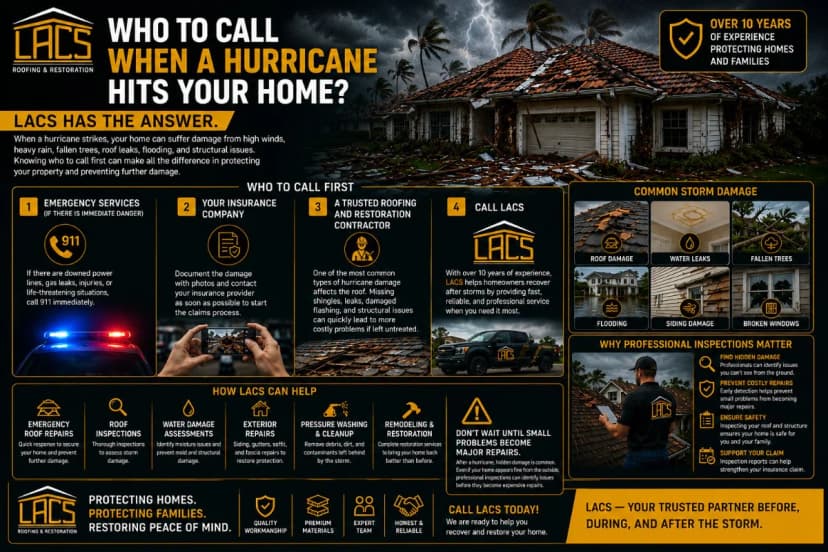
To understand more about seasonal exterior protection before storms arrive, also see the Hurricane Season Starts with Protection You Can Trust- LACS Has You Covered article. To understand more about what to do if damage happens after landfall, also see the Who Should You Call When a Hurricane Hits Your Home? article.
👉 Prepare your home before the next storm puts it to the test. Schedule your professional hurricane readiness inspection with LACS today.

What this guide covers from roof to evacuation plan
This Florida homeowner guide covers the parts of storm preparedness that are most often missed when people prepare too late. That includes the roof, attic moisture conditions, gutters and drainage maintenance, windows and doors, garage doors, siding and soffits, landscaping hazards, utility readiness, insurance documentation, emergency home preparation, and post-hurricane home inspection basics.
For beginners, the goal is simple: know what to check yourself, know what needs professional evaluation, and know when timing matters most. A loose shingle may seem minor in calm weather. During hurricane season Florida conditions can turn that small defect into water intrusion, interior damage, insulation saturation, and expensive repairs.
At a glance:
- Inspect all major exterior systems before June
- Repair visible weaknesses early
- Clean drainage paths and correct standing water issues
- Protect windows, doors, and garage openings
- Photograph the property and store records safely
- Build at least several days of supplies
- Know your evacuation route and communication plan
- Reinspect after every significant storm event
To understand more about roof-focused seasonal preparation as part of broader home resilience, also see the Hurricane Season Starts with Protection You Can Trust- LACS Has You Covered article. To understand more about early signs that roofing problems should not wait, also see the 5 Warning Signs Your Roof Needs Attention Before Hurricane Season article.
Table of Contents
- What parts of a Florida home need hurricane preparation first?
- What is the difference between basic hurricane preparedness and storm-resistant home improvements?
- How do you prepare your home for a hurricane step by step?
- What mistakes leave Florida homes exposed before a storm?
- Conclusion
- Frequently Asked Questions
What parts of a Florida home need hurricane preparation first?
Start with the parts of the house most likely to fail under wind-driven rain or debris impact: the roof system, drainage paths, windows and doors, garage door openings, and exterior areas that can create flying debris or water buildup. Prioritizing these systems first gives homeowners the biggest reduction in preventable storm damage.
Roof, attic, and drainage systems
Your first priority should be the roof assembly and everything that moves water away from it. That means shingles or other roof coverings, flashing around penetrations and transitions, valleys, edge details, gutters, downspouts, soffits, fascia, and drainage discharge points near the foundation. Roof inspection before hurricane season matters because high winds exploit existing weaknesses rather than creating every problem from scratch.
Look for missing or lifted materials from the ground, dark streaking that may suggest moisture retention, sagging lines that could indicate structural concerns, overflowing gutters during rain events, or stains in attic spaces. The attic matters because hidden moisture can weaken decking over time even when interior ceilings still look normal. Good ventilation also helps reduce trapped humidity that can worsen deterioration in Florida’s climate.
Drainage failures are often underestimated in storm preparedness Florida planning. If gutters are clogged or downspouts dump water too close to the house, heavy rain can overwhelm edges, saturate soffits, back up under roofing materials, or collect around walls and slabs.
To understand more about roof vulnerabilities that should be addressed before severe weather, also see the 5 Warning Signs Your Roof Needs Attention Before Hurricane Season article. To understand more about how roofing checks fit into full-season property protection, also see the Hurricane Season Starts with Protection You Can Trust- LACS Has You Covered article.
Windows, doors, garage doors, and openings
The next priority is every opening in the building envelope. Windows, entry doors, sliding glass doors, garage doors, attic vents, and utility penetrations all matter because once wind-driven rain gets inside—or pressure compromises an opening—the scale of damage can rise quickly.
Begin with simple homeowner checks. Make sure locks engage properly. Inspect weatherstripping for cracks or compression failure. Look for deteriorated caulk around frames. Check whether any door rubs badly or fails to latch tightly. For garage doors, inspect tracks visually and confirm hardware is not obviously loose or corroded. If you have shutters or impact protection systems, test them before storm warnings begin rather than discovering problems at the last minute.
This is also where many homeowners confuse appearance with performance. A window can look fine but still have failed sealant lines or weak attachment points around the frame perimeter. The same goes for older doors that no longer close tightly against wind-driven rain.
To understand more about whole-home exterior protection before storms, also see the Hurricane Season Starts with Protection You Can Trust- LACS Has You Covered article. To understand more about what emergency action may be needed if openings fail during a storm event, also see the Who Should You Call When a Hurricane Hits Your Home? article.
Siding, landscaping, fencing, and outdoor hazards
Exterior wall components and yard conditions are often treated as secondary issues until they become debris sources or pathways for water intrusion. Loose siding panels, damaged soffits, rotted trim boards, unstable fencing sections, neglected tree limbs, unsecured patio furniture, grills, planters, toys, sheds, and decorative items can all become part of a preventable damage chain during strong winds.
Landscaping affects more than debris risk. Poor grading can direct water toward the home instead of away from it. Mulch piled too high near walls can trap moisture. Low spots in yards may create standing water near foundations or entry points. Even healthy trees need trimming if branches overhang rooflines or sit close enough to strike windows during gusts.
Walk your property with one question in mind: “What here could break loose, hit the house, block drainage flow, or hold water where it does not belong?” That mindset improves residential hurricane preparation far more than focusing only on supplies indoors.
To understand more about exterior maintenance steps that reduce avoidable storm losses, also see the Hurricane Season Starts with Protection You Can Trust- LACS Has You Covered article. To understand more about how storm damage escalates when exterior issues are left unresolved, also see the Who Should You Call When a Hurricane Hits Your Home? article.
What is the difference between basic hurricane preparedness and storm-resistant home improvements?
Basic hurricane preparedness reduces immediate risk through inspection, cleanup, repairs, supplies, and planning. Storm-resistant home improvements go further by changing how your house performs under wind and water stress over time. Most Florida homes need both: annual preparation now and targeted upgrades when age or exposure justifies them.
Basic preparation vs long-term hardening
Annual prep tasks are usually lower-cost actions you repeat every year: clean gutters; inspect roofing; seal gaps; trim trees; secure outdoor items; photograph conditions; review insurance; test backup power; update contact lists; and restock emergency supplies. These steps matter because deferred maintenance creates openings that hurricanes exploit.
Long-term hardening involves upgrades intended to improve resilience over multiple seasons. Examples include impact-rated windows or shutters, reinforced garage doors, improved roof attachment methods during replacement work, secondary water barriers where appropriate, upgraded drainage design around problem areas, or replacing worn materials that no longer perform reliably.
A simple way to think about it:
| Category | What it includes | Typical purpose |
|---|---|---|
| Annual prep | Cleaning, inspections, minor repairs, supplies | Reduce immediate weaknesses |
| Resilience upgrades | Impact protection, reinforcement, better materials | Improve long-term performance |
| Professional inspection | Condition review, hidden issue detection, prioritization | Decide what matters most first |
Maintenance keeps serviceable components working. Repair fixes localized failure. Retrofit adds protection to an existing system. Replacement becomes necessary when age, repeated leaks, code changes, or widespread deterioration make patching unrealistic.
To understand more about the maintenance side of seasonal protection, also see the Hurricane Season Starts with Protection You Can Trust- LACS Has You Covered article. To understand more about how roofing condition affects whether maintenance is enough, also see the 5 Warning Signs Your Roof Needs Attention Before Hurricane Season article.
Which upgrades matter most in Florida home protection?
The best upgrades depend on age, location, exposure, prior repairs, and known weak points—not on a generic list alone. Still, some improvements tend to matter more than others in Florida home protection planning: stronger roof-to-wall connections during major reroof work, secondary water barriers where applicable, impact-resistant glazing or functional shutters, reinforced garage doors, improved flashing details, and drainage corrections where heavy rain repeatedly overwhelms parts of the property.
Homes near coastlines, open exposures, flood-prone streets, or tree-dense lots may have different priorities than inland homes with newer envelopes but poor yard drainage. Likewise, an older house with repeated minor leaks may need professional evaluation sooner than a newer house with sound construction but limited emergency planning.
If your budget is limited, prioritize upgrades based on consequence of failure rather than appearance alone. A reinforced opening or corrected drainage path may do more for hurricane damage prevention than cosmetic exterior work that looks good but changes little about performance under stress.
To understand more about practical pre-season protection strategies tied to real property conditions, also see the Hurricane Season Starts with Protection You Can Trust- LACS Has You Covered article. To understand more about what happens when vulnerabilities are discovered too late, also see the Who Should You Call When a Hurricane Hits Your Home? article.
👉 Don't wait until a hurricane is in the forecast. Let LACS identify vulnerabilities early and help protect your home before storm season arrives.
When to repair, reinforce, and replace
The decision usually comes down to condition, age, repeat failure patterns, code-era limitations, and timing before hurricane season begins. If a component is generally sound but has localized wear, repair may be enough. If it works but lacks modern resistance features, reinforcement may make sense. If deterioration is widespread or repairs keep repeating, replacement becomes more practical.
Use this quick framework:
- Repair when damage is isolated, recent, and clearly fixable
- Reinforce when systems still function but need stronger protection
- Replace when age, leaks, corrosion, warping, rot, or repeated patching show declining reliability
If this, then that summary:
- If you see one isolated seal failure around an otherwise sound opening, repair it soon
- If your garage door works but lacks storm reinforcement, evaluate upgrade options
- If your roof has repeated leaks or multiple visible problem areas, get inspected before relying on another patch
- If drainage overflows every heavy rain, redesign may matter more than another cleaning alone
To understand more about signs that roofing issues may already be beyond routine upkeep, also see the 5 Warning Signs Your Roof Needs Attention Before Hurricane Season article. To understand more about how seasonal inspections support better repair decisions, also see the Hurricane Season Starts with Protection You Can Trust- LACS Has You Covered article.
How do you prepare your home for a hurricane step by step?
The best way to prepare your home for a hurricane is to break it into phases: pre-season work 30 to 60 days out, final property prep during the week before possible landfall, supply staging, then safe inspection after the storm passes. This structure keeps important tasks from being delayed until stores are empty or contractors are booked out.
30 to 60 days before storm season
This is when serious Florida hurricane preparation should begin. Start outside with a full walkaround inspection of roofing edges, gutters, downspouts, siding, soffits, fascia, windows, doors, fences, yard grading, trees, sheds, lighting fixtures, hose reels, gates, patio items, and any object that could become airborne debris.
Then create your master hurricane safety checklist:
- Photograph each side of the house
- Photograph rooflines from safe ground positions
- Save photos of interior ceilings near vulnerable areas
- Review insurance declarations, page deductibles, and exclusions
- Store policy numbers, and contractor contacts digitally and on paper
- Trim branches away from structures
- Test generators according to safety guidance
- Confirm fuel plans where applicable
- Identify shutoff locations for water, power, and gas if relevant
- Update family contacts, and evacuation destinations
Do not overlook contractor vetting before storms form. Waiting until warnings are issued limits options dramatically. Having trusted contacts early supports faster action if emergency tarping or repairs become necessary later.
To understand more about pre-season maintenance planning across key exterior systems, also see the Hurricane Season Starts with Protection You Can Trust- LACS Has You Covered article. To understand more about why early roof review matters before severe weather arrives, also see the 5 Warning Signs Your Roof Needs Attention Before Hurricane Season article.
7 days to 72 hours before landfall
Once forecasts suggest possible impact, shift from planning mode to action mode. This period is not for major construction projects. It is for securing what you already have, confirming supplies, protecting openings, clearing drainage paths again, moving vehicles if needed, charging devices, filling prescriptions, backing up records, fueling safely where appropriate, and preparing for either sheltering in place or evacuating based on official guidance.
A realistic mistake many homeowners make is assuming they still have time. In Florida storm preparedness, stores empty quickly, traffic worsens, service providers get overwhelmed, and weather conditions can change faster than expected. Last-minute decisions usually mean weaker execution.
Quick pre-landfall checklist:
- Bring in loose outdoor items
- Clean gutters, and drains one final time if safe
- Close, test, and stage shutters or approved opening protection
- Move vehicles away from trees, and flood-prone spots
- Charge phones, power banks, and radios
- Fill containers with clean water as needed
- Place important documents in waterproof storage
- Set refrigerators/freezers colder ahead of possible outages
- Confirm pet arrangements
- Review evacuation zone instructions
To understand more about emergency response considerations if conditions worsen quickly, also see the Who Should You Call When a Hurricane Hits Your Home? article. To understand more about last-stage seasonal protection measures around roofs, gutters, and exteriors, also see the Hurricane Season Starts with Protection You Can Trust-LACS Has You Covered article.
What should be in a Florida hurricane emergency kit?
A homeowner-focused hurricane emergency kit should support both personal safety and basic property response after a storm. General disaster kits often miss house-specific needs. In addition to food, and water, think through power loss, temporary moisture control, cleanup access, documentation, pets, medications, sanitation, communication, cash, lighting, batteries, chargers, tarps if appropriate, gloves, sturdy shoes, contractor bags, towels, plastic bins, first aid supplies, flashlights, radios, spare HVAC filters, manual can openers, basic tools, extension cords used safely where applicable, and printed shutoff instructions.
For households with children, seniors, medical equipment, or pets, customize accordingly. If flooding risk exists nearby, include extra waterproof storage options. Moisture-control supplies matter because even small leaks after storms can escalate into odor, mold, and material damage if ignored during outages.
Keep kits accessible rather than buried behind storage boxes. Rotate medications, batteries, and food on schedule. Store one version at home, and keep smaller grab-and-go kits ready if evacuation becomes necessary.
To understand more about what happens after storm impacts create urgent property issues, also see the Who Should You Call When a Hurricane Hits Your Home? article. To understand more about preventive steps that reduce post-storm interior moisture problems, also see the Hurricane Season Starts with Protection You Can Trust-LACS Has You Covered article.
After the storm: safe first steps and documentation
After any significant storm, event safety comes first. Watch for downed lines, unstable trees, broken glass, displaced fasteners, ceiling stains, active drips, swollen trim boards, musty odors, standing water, damaged screens, and broken seals around openings. Inspect roofs only from ground level unless trained, equipped, and conditions are safe. Many injuries happen after storms when homeowners climb onto wet surfaces too soon.
Document everything before cleanup changes evidence. Take wide shots first, then close-ups, then video walkthroughs. Note date, time, and location of each issue. Save damaged materials if insurers request them. Temporary protective action may be necessary, but avoid throwing away proof too early unless safety requires immediate removal.
Your post-hurricane home inspection priorities should include:
- Life safety hazards
- Water intrusion signs
- Roof edge damage visible from below
- Window, and door seal failures
- Gutter detachment or overflow effects
- Fallen debris impacts
- Interior staining, bubbling paint, and damp insulation concerns
To understand more about the correct order of response after your home takes storm damage, also see the Who Should You Call When a Hurricane Hits Your Home? article. To understand more about how preventive maintenance reduces post-storm repair severity, also see the Hurricane Season Starts with Protection You Can Trust-LACS Has You Covered article.
What mistakes leave Florida homes exposed before a storm?
Most preventable losses come from delay, incomplete inspections, deferred maintenance, and underestimating how fast small defects worsen under wind-driven rain. Homes rarely go from perfect condition to major failure without warning signs. More often, the warning signs were present but ignored until hurricane season made them expensive.
Common homeowner mistakes before hurricane season
One common mistake is waiting until there is already a named storm in the forecast. By then, schedules tighten, supplies disappear, and rushed decisions lead to missed details. Another frequent problem is ignoring small leaks, because minor staining seems manageable until heavy rain pushes water deeper into insulation, walls, and framing.
Skipping gutters and drainage maintenance is another major issue. Overflowing edges can soak fascia, siding, and foundations even when roofing materials themselves remain mostly intact. Outdoor hazards are often overlooked too: unsecured furniture, potted plants, damaged fencing, and dead limbs regularly become impact threats during strong winds.
Documentation gaps create their own problems. Without current photos, it becomes harder to show pre-loss condition versus new damage after an event. Insurance review delays can be just as costly if homeowners discover deductible details, flood coverage limits, or exclusions only after warnings begin.
To understand more about how overlooked roof issues become larger risks during severe weather, also see the 5 Warning Signs Your Roof Needs Attention Before Hurricane Season article. To understand more about the broader maintenance habits that support better storm readiness, also see the Hurricane Season Starts with Protection You Can Trust-LACS Has You Covered article.
DIY limits and when a professional inspection makes sense
Homeowners can safely do quite a bit from ground level: visual checks, outdoor cleanup, supply organization, basic documentation, gutter observation during rain from safe positions, and testing shutters or latches where access is straightforward. But some issues require trained evaluation because they involve fall risk, hidden moisture, pathways behind finishes, failing flashing details, lifted fasteners, degraded sealants at inaccessible heights, or code-related performance questions.
Roof access is one clear limit. Even if you are comfortable on ladders, a steep, warm, worn, or wet surface creates unnecessary risk—especially right before storms when one injury disrupts every other part of your plan. The same applies to suspected structural movement, severe garage door weakness, repeated unexplained leaks, or signs that multiple systems are failing together rather than separately.
Professional inspections make sense when:
- The home has prior leak history
- The roof is aging or has had repeated repairs
- Drainage problems recur every heavy rain
- Openings feel loose, or seals keep failing
- Exterior components show widespread wear instead of isolated defects
To understand more about why recurring roof symptoms deserve closer attention before storms arrive, also see the 5 Warning Signs Your Roof Needs Attention Before Hurricane Season article. To understand more about how professionals fit into post-impact response when problems exceed DIY limits, also see the Who Should You Call When a Hurricane Hits Your Home? article.
📌 Decision
Monitor and maintain if your home has no visible exterior issues, current protective features, functional drainage, no recent leak history, and updated documentation.
Schedule inspection soon if your house is older, you have had prior leaks, the last exterior review was overdue, gutters overflow regularly, or seals around windows and doors show wear.
Act immediately if you already have visible damage, detached gutters, loose openings, sagging areas, repeated interior staining, pooling water near foundations, or known vulnerabilities from previous storms.
For homeowners comparing contractors, buyers-ready questions include: What exactly will be inspected? Will photos be provided? What temporary vs permanent work do you recommend? Are there code-related concerns? What documentation should I keep for insurance records? How do you define urgent versus monitor-only findings?
To understand more about the kinds of roofing symptoms that move a house out of monitor mode quickly, also see the 5 Warning Signs Your Roof Needs Attention Before Hurricane Season article. To understand more about how full-property seasonal planning supports better contractor conversations, also see the Hurricane Season Starts with Protection You Can Trust-LACS Has You Covered article.
Conclusion
Florida hurricane preparation works best when it becomes an annual system instead of an emergency reaction. The core framework is simple: inspect early, maintain consistently, upgrade strategically, document thoroughly, and stage supplies well before pressure builds across stores, schedules, and forecasts. That approach protects both your household safety and your property condition far better than last-minute scrambling ever will.
The strongest results usually come from repeating this cycle every year:
- Inspect key exterior systems before season starts
- Fix small issues while they are still manageable
- Improve weak points over time based on budget and risk
- Keep records, current photos, and policy details organized
- Refresh emergency supplies and family plans
- Reinspect after major storms
Whether you own a newer house or an aging property, the principle stays the same: protect your Florida home by reducing avoidable weaknesses before wind, rain, and flooding test them for you. A written checklist, a calendar reminder, and recurring inspections make residential hurricane preparation far easier to manage year after year than relying on memory alone.
To understand more about ongoing seasonal protection practices homeowners can repeat each year, also see the Hurricane Season Starts with Protection You Can Trust-LACS Has You Covered article. To understand more about post-storm response priorities when damage is suspected, also see the Who Should You Call When a Hurricane Hits Your Home? article.
👉 Protect your family, your home, and your investment with a customized hurricane preparation plan from the experts at LACS.