Protect Your Investment with Professional Pressure Washing.
Skipping professional pressure washing can damage roofs, siding, and windows. Learn safe methods, DIY risks, and schedules that protect property value.
Are You Quietly Destroying Your Roof, Walls, and Windows by Skipping Professional Pressure Washing?
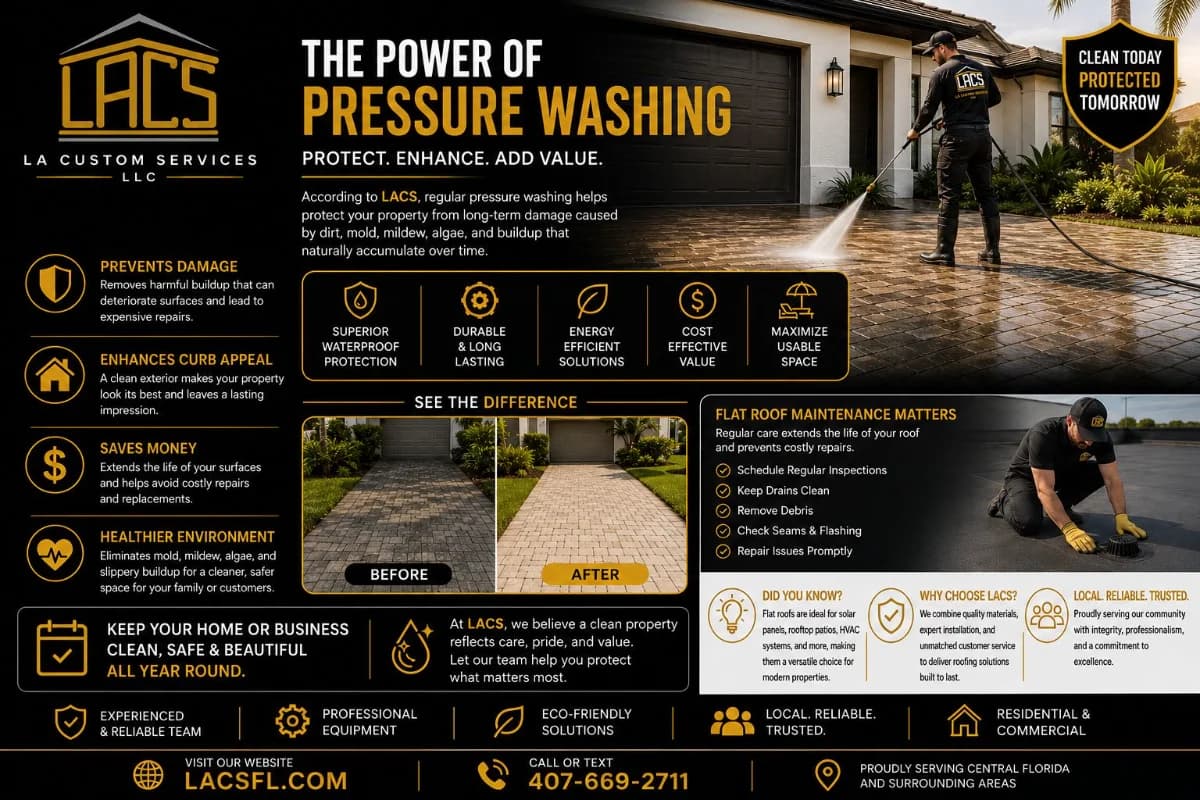
Yes. When you delay roof pressure washing and exterior cleaning, you’re not “saving money”—you’re letting dirt, algae, and grime bond to surfaces, trap moisture, and accelerate wear. Professionals use the right pressure, detergents, and methods to clean walls and windows safely without etching glass, stripping paint, or damaging shingles.
Most property owners assume exterior washing is cosmetic—something you do before guests arrive or when selling. The reality is harsher: buildup on roofs, walls, and windows behaves like a slow leak in your maintenance budget. It stains, holds moisture, feeds organic growth, and shortens the lifespan of materials that are expensive to replace.
Once you understand what pressure washing actually prevents—premature roof aging, siding deterioration, window spotting that won’t come off—you stop treating it like an optional chore. You start treating it like protection for one of your biggest investments: your home or business property.
That shift changes everything: how often you wash, what methods you allow on your roof, and why hiring trained professionals is usually cheaper than paying for repairs later.
Your roof looks darker every month, your walls keep collecting streaks, and your windows never look truly clean—even after you wash them.
If you wait until stains “get bad,” you risk permanent surface damage and costly repairs that professional cleaning prevents with the right equipment and technique.
Talk to LACS now and lock in a safe plan to clean and protect your exterior before buildup turns into deterioration.

Table of Contents
- Why Roof Pressure Washing Is Usually Done Wrong (and How Pros Prevent Damage)
- Walls, Siding, and Stucco: What Pressure Can (and Cannot) Fix
- Windows and Exterior Glass: How Pros Get a Clear Finish Without Etching
- Professional vs DIY: The Hidden Costs of “Just Renting a Washer”
- Routine Washing Schedules That Actually Protect Property Value
- What Professionals Use: Pressure Levels, Nozzles, Detergents, and Water Control
- Commercial Properties: Curb Appeal Is Nice—Liability Control Is Better
Why Roof Pressure Washing Is Usually Done Wrong (and How Pros Prevent Damage)
Roof pressure washing protects shingles only when it’s done with the correct method—usually low-pressure soft washing—not brute force. High pressure can strip granules, loosen tabs, and drive water under shingles. Professionals match water pressure, detergents, and dwell time to the roof material so it gets clean without getting damaged.
Most roof staining isn’t “dirt.” It’s often algae or organic growth that embeds itself into the surface. If someone blasts it with too much power, they may remove the stain temporarily while shortening the roof’s life—an expensive trade.
A professional approach typically includes:
- Inspection first: identifying brittle shingles, failing flashing, or weak areas
- Right method selection: soft wash for shingles; different approach for tile or metal
- Controlled rinse: preventing runoff problems around landscaping and gutters
- Post-clean evaluation: checking for exposed fasteners or minor issues that need attention
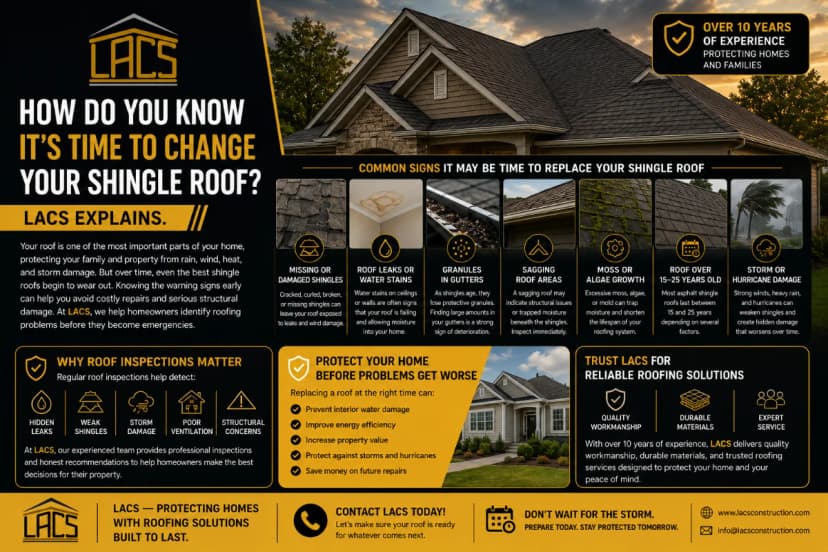
If you’re already seeing curling edges, missing granules in gutters, or persistent dark streaks, cleaning alone may not be enough. To better understand how to tell whether stains indicate normal aging or end-of-life shingle failure, see also the article How Do You Know It’s Time to Replace Your Shingle Roof? — LACS Explains.
Walls, Siding, and Stucco: What Pressure Can (and Cannot) Fix
Pressure washing walls works when the goal is removing bonded grime, mildew film, pollen residue, and traffic-area staining—but it must be adjusted to the surface. Vinyl siding can crack or lift if hit incorrectly; stucco can chip; painted surfaces can peel if they’re already failing. Professionals clean walls by controlling pressure and using chemistry where needed.
Exterior walls take constant abuse: sun exposure bakes contaminants in place; rain pushes dirt into pores; sprinklers leave mineral deposits. Over time this buildup doesn’t just look bad—it can cause premature fading and deterioration.
A safer wall-washing process usually looks like this:
- Identify material: vinyl, fiber cement, stucco, brick, painted wood
- Pre-treat: apply detergent to break down organic growth (instead of forcing it off)
- Low-to-moderate pressure rinse: enough to lift grime without scarring surfaces
- Detail work: corners, soffits, trim lines where buildup hides
When wall staining is paired with other exterior concerns—like paint failure or water intrusion—cleaning should be coordinated with broader maintenance planning. To better understand how LACS approaches exterior projects with clear scope and predictable outcomes, see also the article Why Choose LACS for Your Next Project.
Windows and Exterior Glass: How Pros Get a Clear Finish Without Etching
Professional window cleaning isn’t just “spraying glass.” It’s about removing mineral deposits, pollen film, oxidation residue from frames, and grime without leaving spots—or causing permanent damage. Using high pressure on windows can force water into seals or etch glass if debris is dragged across the surface.
If your windows look cloudy even after washing, one of these is usually happening:
- Hard-water minerals are drying on the glass
- Oxidation from frames is smearing onto panes
- Dirty screens are re-contaminating clean glass
- The wrong tools are leaving micro-scratches or streaks
Professionals typically combine controlled rinsing with proper tools (soft applicators, squeegees) and techniques that reduce spotting. They also pay attention to surrounding surfaces—because dirty walls above windows will drip grime back down during rain.
If your property’s exterior maintenance is part of a long-term plan (roof care included), it helps to work with one team that understands how each system affects the others. To better understand what long-term excellence looks like across roof care and pressure washing, see also the article A Decade of Excellence. One Trusted Name: LACS.
Professional vs DIY: The Hidden Costs of “Just Renting a Washer”
DIY pressure washing seems cheaper until you factor in surface damage risk, wasted weekends, rental limitations, and repeat cleaning due to poor technique. Professionals don’t just bring stronger equipment—they bring judgment: correct PSI ranges, nozzle selection, detergent choice, ladder safety practices, and water control that protects landscaping and building materials.
Here’s where DIY commonly goes wrong:
- Too much pressure: gouged wood fibers, etched concrete lines, stripped paint
- Wrong angle/distance: lifted siding panels; water forced behind trim
- No chemical strategy: you blast forever because nothing is breaking down the grime
- Roof mistakes: granule loss on shingles or water intrusion under edges
- Injury risk: high-pressure stream injuries are real; ladders plus hoses are worse
And then there’s the expensive irony: many owners try to “save” money by washing themselves right before hurricane season—or after a storm—when surfaces are already stressed.
To better understand how proactive exterior preparation reduces storm-related damage, see also the article Hurricane Season Starts with Protection You Can Trust- LACS Has You Covered.
Routine Washing Schedules That Actually Protect Property Value
The best routine isn’t “once a year no matter what.” It’s based on exposure: shade vs sun; tree coverage; humidity; nearby traffic dust; sprinkler overspray; roof type; wall material; window orientation. A professional schedule keeps roofs clean without aggressive methods and keeps walls/windows from reaching the point where stains become permanent.
A practical baseline many properties follow:
- Roof: periodic soft washing as staining appears (not constant blasting)
- Walls/siding: annual or semiannual cleaning depending on mildew/pollen load
- Windows: more frequent cleaning if sprinklers cause mineral spotting
- High-touch areas: entryways and walkways cleaned as needed for safety
The key is consistency. When you wait until surfaces look terrible from the street, contaminants have had time to bond—and removal becomes harder and riskier.
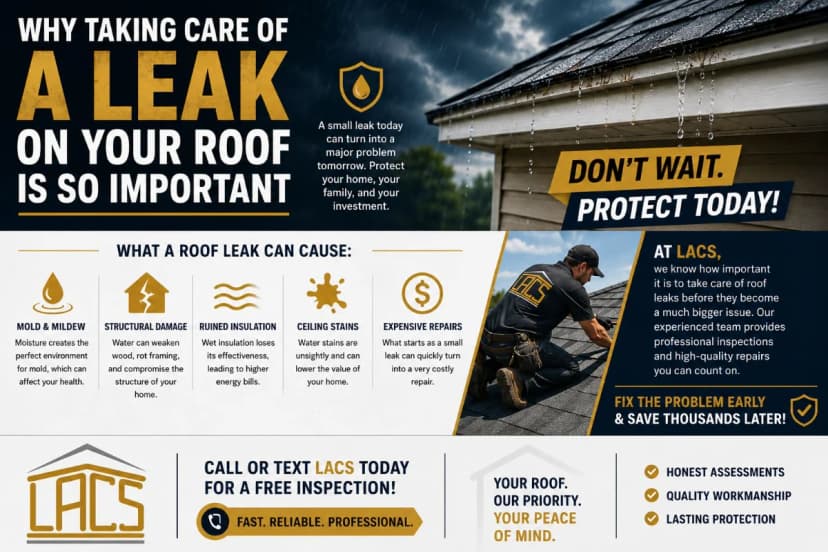
Also watch for early warning signs that maintenance is falling behind: small interior moisture marks tied to exterior issues can escalate fast if ignored. To better understand how minor problems turn into major repair bills when delayed, see also the article Small Roof Leak Today… Major Damage Tomorrow!.
What Professionals Use: Pressure Levels, Nozzles, Detergents, and Water Control
Professionals use a system—not just a machine—to wash property exteriors safely. That system includes adjustable pressure settings (often far lower than DIY users expect), surface-specific nozzles/tips, detergents designed for organic growth or grease films, controlled dwell times, and runoff management so water doesn’t cause damage elsewhere.
A simplified breakdown of what matters most:
- Pressure selection: sensitive surfaces require lower PSI; forcing results causes damage
- Nozzle choice: fan patterns reduce cutting power; wrong tip concentrates force
- Chemistry: detergents do the heavy lifting so water doesn’t have to
- Technique: distance + angle + rinse direction prevents intrusion behind materials
- Protection steps: covering plants when needed; avoiding electrical hazards; managing overspray near windows
This is why “power washing” isn’t automatically better than “soft washing.” The best method depends on what you’re cleaning—and what you’re trying not to destroy.
If your roof material is tile rather than shingles (common in Florida), cleaning must respect how tile systems shed water and where failures typically start. To better understand tile roof construction basics and maintenance risks, see also the article LACS Tells You Everything You Need to Know About Tile Roofs.
Commercial Properties: Curb Appeal Is Nice—Liability Control Is Better
Commercial pressure washing is about more than looking clean—it’s about reducing slip hazards, protecting building finishes from accelerated wear, maintaining tenant satisfaction, and preserving brand perception. Dirty walls at entrances or stained windows communicate neglect instantly. Worse: algae on walkways can create real liability exposure.
For commercial sites—storefronts, offices, multi-unit buildings—the highest ROI targets usually include:
- Entry sidewalks/walkways where foot traffic packs grime into pores
- Building facades where signage shadows create uneven staining
- Windows that affect perceived professionalism from the street
- Loading areas where oil film attracts dirt and becomes harder to remove later
Professionals also schedule work strategically (off-hours when possible), control overspray near doors/vents/windows, and document before/after conditions for property managers who need consistency across multiple locations.
If your commercial property plan involves broader exterior improvements beyond washing—painting coordination or remodeling timelines—it helps to choose one disciplined team rather than juggling vendors. To better understand how LACS manages multi-scope projects with predictable scheduling, see also the article Why Choose LACS for Your Next Project.
Is Professional Pressure Washing Actually Worth the Investment?
Yes—because it reduces avoidable deterioration on roofs, walls/siding surfaces, and windows while keeping your property looking cared-for year-round. The value isn’t just visual; it’s mechanical protection. Organic growth holds moisture against materials. Dirt becomes abrasive in wind-driven rain. Mineral deposits etch glass over time. A professional approach uses appropriate pressure washing or soft washing methods so cleaning doesn’t create damage while trying to prevent it.
When owners skip routine exterior cleaning entirely—or do it incorrectly—the costs show up later as earlier repainting cycles, premature roof replacement decisions driven by appearance concerns (not structure), persistent window spotting that never fully clears up again, and higher repair frequency around trim lines where moisture gets trapped. Professional services also save time and reduce safety risk from ladders and high-pressure equipment misuse. In short: done right at the right intervals, exterior cleaning protects both curb appeal and long-term performance.
With Professional Pressure Washing or Without It: What’s the Difference?
With professional pressure washing
- Correct method per surface (soft wash vs pressure) reduces damage risk
- Roof pressure washing targets organic growth safely instead of stripping materials
- Walls stay brighter longer because buildup never fully bonds
- Windows get clearer because spotting causes are addressed—not just rinsed
Without professional pressure washing
- Dirt/algae keep accumulating until removal becomes aggressive (and risky)
- Stains become “permanent-looking,” lowering perceived property value
- DIY attempts often create etched glass or stripped paint on siding/walls
- Maintenance becomes reactive—repairs replace prevention
Practical takeaway: professional cleaning isn’t a luxury line item—it’s a predictable way to protect surfaces before they degrade.
📌 Decision If your roof has dark streaks, your walls show mildew shading near soffits or sprinklers leave window spots you cannot remove anymore, waiting is not neutral—it’s expensive. Every month you delay lets contaminants bond deeper into surfaces so removal requires harsher methods that increase damage risk. I’ve seen owners spend far more fixing stripped paint lines on siding or replacing prematurely aged roofing than they would have spent on routine professional washing; act now while cleaning is still gentle.
Professional pressure washing is one of the simplest ways to protect your investment because it attacks deterioration at its earliest stage—before moisture retention and embedded grime shorten material life. When roofs are cleaned safely (often via soft wash), walls are washed with correct pressure control, and windows are treated to prevent spotting/etching issues from compounding over time.
If you want one reliable team for consistent exterior maintenance—not random one-off washes that create new problems—choose professionals who treat cleaning like preservation work. To better understand what long-term reliability looks like across roof care and exterior services, see also the article A Decade of Excellence. One Trusted Name: LACS.
Your roof stains keep spreading upward, your walls look older than they are, and your windows still look dirty right after you clean them.
If you let buildup sit longer, it bonds harder to surfaces—and each wash becomes more aggressive until something gets damaged or needs replacement sooner than it should.
Talk to LACS now and schedule professional pressure washing that protects your roof, walls, windows—and your investment.